Bag Candy Holder: A Designer’s Embroidery Review
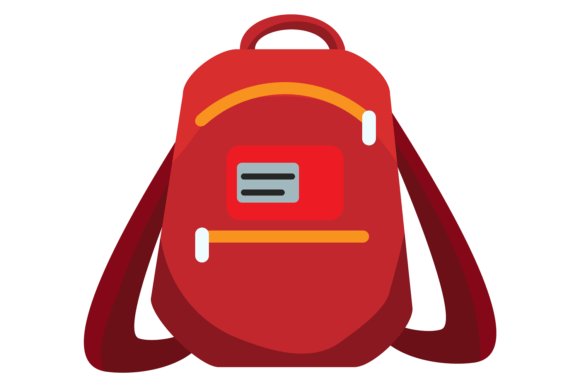
As a professional embroidery designer and product reviewer, I approach every new digital asset with a critical eye. When evaluating the Bag Candy Holder School Candy Holder, my primary concern is not just how the graphic looks on a screen, but how it translates into physical stitches on fabric. For fellow Etsy sellers, craft business owners, and makers, the transition from a digital embroidery file to a finished product is where profit margins and customer satisfaction are determined. This review breaks down the practical application of this design for real-world projects, focusing on stitch integrity, marketability, and production viability.
First Impressions and Visual Personality
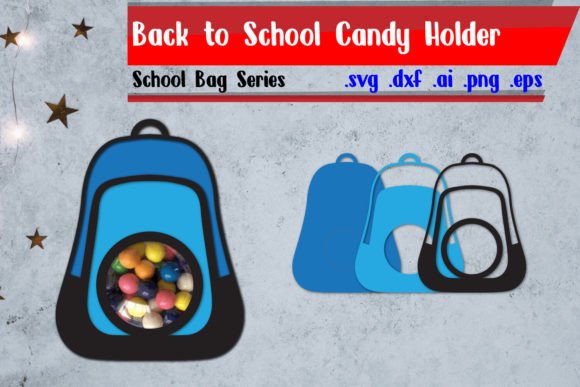
Upon opening the zip file containing the DXF, SVG, AI, EPS, and PNG formats, the immediate impression of the Bag Candy Holder School Candy Holder is one of nostalgic functionality. In the realm of Crafts and Graphics, school-themed items often lean toward generic clip art, but this design carries a specific structural weight that suggests it was created with fabrication in mind. The mood is playful yet organized, making it an ideal candidate for personalized gifts or boutique merchandise targeting parents, teachers, and students.
Visually, the layout appears balanced. For an embroidery project, balance is more important than artistic complexity. A design that is top-heavy or lacks a defined center can cause hoop distortion during stitching. This candy holder silhouette seems to maintain a compact footprint, which is crucial when adapting it for smaller items like baby clothes or cap fronts. The lines appear distinct enough to support either a satin stitch border or a clean running stitch outline, depending on your machine embroidery design preferences and the fabric texture you intend to use.
Real-World Application: The Custom Tote Bag Test
To truly evaluate this asset, I mentally placed it in a current client scenario: creating custom tote bags for a local elementary school fundraiser. This is a classic use case for a bag candy holder theme. When stitching onto canvas tote bags, the fabric texture is coarse, which can swallow fine details. I assessed whether the Bag Candy Holder School Candy Holder has sufficient open space to prevent the design from becoming a dense, stiff patch of thread.
In this scenario, the design performs well as a centerpiece. However, because tote bags endure significant wear and tear, I would recommend pairing this graphic with durable stabilizer. If the design includes internal fill stitch areas, they must be dense enough to cover the canvas weave but open enough to prevent needle breaks. For a sweatshirt embroidery application, the same logic applies but with added caution regarding stretch. Knit fabrics require a cut-away stabilizer to prevent the candy holder shape from warping after washing. The versatility of having both vector (AI/EPS) and raster (PNG) files allows me to quickly create a printable mockup to show the PTA committee before committing to stitching, saving valuable production time.
Navigating Fabric Limitations and Hoop Sizes
While the Bag Candy Holder School Candy Holder is versatile, it requires careful placement on challenging substrates. As an experienced apparel decorator, I advise against using highly detailed versions of this design on ribbed knit or terry cloth without proper modification. The loops in terry cloth can push through satin stitches, making the candy holder look messy. In these cases, utilizing a water-soluble topping is non-negotiable.
Hoop size is another critical factor. Before purchasing or downloading, always verify the dimensions against your available hoops. If you plan to use this for baby embroidery on onesies, the design must fit within a 4x4 hoop without compromising the garment's seam allowance. Scaling down a complex machine embroidery design often results in lost details or overlapping stitches. If the original file is too large for baby items, check if the vector files allow you to simplify the design by removing interior elements, leaving only the outline. This adaptation turns a potentially dense design into a lightweight, breathable motif suitable for delicate infant wear.
Dark fabrics present their own challenges. If the Bag Candy Holder School Candy Holder relies on light-colored fills, ensure you have adequate contrast thread colors. Stitching white detail over black fabric often requires an underlay base to prevent the dark fabric from showing through. Always test this interaction on scrap fabric first; what looks vibrant in software can appear muddy on actual textile.
Commercial Viability for Makers and Sellers
For Etsy sellers and small shop product creators, visual appeal directly correlates to buyer engagement. The Bag Candy Holder School Candy Holder possesses strong giftability, particularly during back-to-school seasons or holiday events. However, professionalism comes from execution. A finished product featuring puckering, misaligned layers, or poor digitizing will damage brand consistency and customer trust.
When listing items made with this design, utilize the included PNG file to create high-quality digital product previews. Customers need to see how the embroidery file translates to reality. Show the design on multiple backgrounds—light, dark, and textured—to demonstrate its adaptability. This transparency reduces returns and increases confidence in your handmade product. Furthermore, if you offer commercial embroidery services, this design serves as an excellent portfolio piece to showcase your ability to handle thematic, niche requests.
Critical Designer Notes for Production Success
Before loading the Bag Candy Holder School Candy Holder into your machine, adhere to these professional best practices to ensure a premium result:
- Verify Licensing: Since this is an instant digital download, confirm whether the license permits selling finished physical products versus selling the digital embroidery file itself. Respecting intellectual property is vital for long-term business sustainability.
- Test Stitch Density: Run a sample on scrap fabric identical to your final project. Check if the stitch density causes fabric tunneling or excessive stiffness. Adjust pull compensation in your software if necessary.
- Inspect Small Details: If the candy holder features tiny text or intricate accents, ensure they are legible at your intended size. Running stitch lettering below 4mm often becomes unreadable; consider simplifying or enlarging these elements.
- Stabilizer Selection: Match your stabilizer to the fabric weight. Use tear-away for stable woven cottons and cut-away for knits or stretchy materials. Never skip stabilizer to save costs; it compromises the entire embroidery project.
- Thread Color Contrast: Evaluate the design in grayscale before stitching. If the values are too similar, the design will lack definition regardless of color vibrancy. High contrast ensures the candy holder pops visually.
- Mockup Validation: Use the provided assets to test marketing visuals. Ensure the printable mockup accurately represents the stitch type (e.g., don't show a flat print if the actual product uses raised puff embroidery).
Final Thoughts on Design Assets
The Bag Candy Holder School Candy Holder represents a solid addition to any crafter’s library of design assets, provided it is applied with technical mindfulness. Its strength lies in its thematic clarity and potential for customization across various mediums, from embroidered patches to nursery decor. By respecting the relationship between digital graphics and physical textiles, you can transform this simple download into a high-value commercial embroidery product. Remember, the quality of your finished product reflects not just the design file, but your expertise in bringing it to life. Happy crafting, and may your stitches always be straight and your tension perfect.