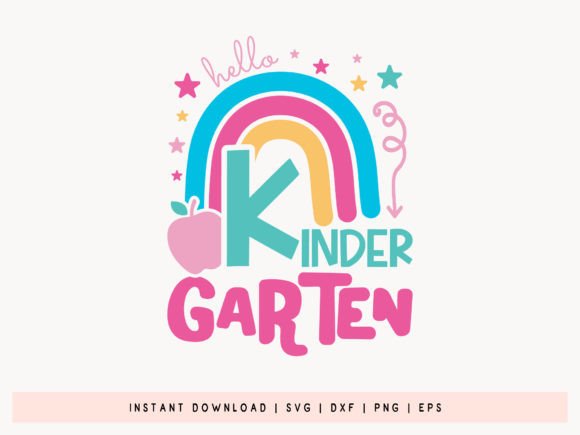
Hello Kindergarten SVG: An Embroidery Designer's Review
As a professional embroidery digitizer and product reviewer, I approach every new graphic asset with a specific question: will this actually stitch out well on real fabric? When evaluating the Hello Kindergarten SVG Cut File, my perspective shifts from simple vector appreciation to practical textile application. This design is marketed as a perfect choice for teachers, parents, and designers creating fun projects for young children, but translating an adorable and colorful graphic into a durable machine embroidery design requires careful consideration. For Etsy sellers, craft business owners, and makers, understanding how this file performs beyond the screen is essential for creating high-quality finished products that customers will trust and cherish.
First Impressions: Visual Personality and Stitch Potential
My initial assessment of the Hello Kindergarten SVG Cut File focuses on its visual mood and structural integrity. The design exudes a playful, welcoming energy that immediately suggests back-to-school themes, first-day photos, and classroom decor. However, as an embroiderer, I am looking at line weight and shape complexity. The "adorable and colorful" nature of the graphic implies multiple color changes and potentially intricate details. In the realm of Graphics intended for Crafts, clean lines are paramount. If the vectors are too thin, they may not support a proper satin stitch column; if they are too complex, the stitch density could become unmanageable on lightweight fabrics.
The layout feels balanced for center-chest placement or tote bag centers. It has enough negative space to allow for personalization, such as adding a child’s name below the main motif. This versatility makes it a strong candidate for custom apparel and personalized gifts. However, before committing to a full production run, I always advise checking the node count and pathing. A digital file might look crisp on a monitor, but embroidery machines interpret curves differently than cutting plotters do. Ensuring the embroidery file conversion maintains the original charm without introducing jump stitches or registration issues is the first step toward professional results.
Real-World Application: The Custom Sweatshirt Test
To truly evaluate this asset, I envision a specific real-life scenario: creating a custom "First Day of School" sweatshirt for a boutique client. This is a staple small shop product that demands durability and comfort. Using the Hello Kindergarten SVG Cut File as the base for this sweatshirt embroidery project allows me to test its commercial viability. Fleece and French terry fabrics have texture and stretch, which can distort designs if the digitizing isn't optimized.
In this scenario, I would likely treat the main elements as an applique design rather than a full-fill stitch. Applique reduces bulk, keeps the garment soft for a child, and showcases the colorful graphic through fabric choice rather than excessive thread. The running stitch tack-downs must be precise to prevent fraying. If the design includes small text like "Hello," I need to verify that the lettering height meets minimum safety standards for stitching—typically above 4mm to ensure clarity. A successful test stitch-out on scrap fleece confirms whether the design assets translate effectively to a wearable handmade product. If the letters sink into the pile or the shapes pucker, adjustments to pull compensation and underlay are necessary before listing the item for sale.
Navigating Fabric Constraints and Hoop Limitations
While the Hello Kindergarten SVG Cut File is versatile, certain applications require caution. Small hoop sizes, such as 4x4 inches, may force you to reduce the design significantly. When scaling down, tiny details like facial features or decorative accents can become indistinguishable blobs of thread. Always measure the actual stitch area after resizing. For baby embroidery items like onesies or bibs, the fabric is often thin and stretchy. Here, using the correct stabilizer is non-negotiable. A cut-away stabilizer provides the permanent support needed to prevent the design from distorting after washing, whereas tear-away might leave the fabric sagging under the weight of colorful fill stitches.
Dark fabrics present another challenge. If the original graphic relies on light colors or white outlines, stitching it onto navy or black cotton requires either a white underlay base or selecting high-contrast thread colors. Without this adaptation, the design loses its pop and readability. Additionally, curved surfaces like caps demand specialized digitizing. A flat digital embroidery file does not automatically compensate for the curve of a hat brim. If you plan to use this for cap embroidery, expect to manually adjust the distortion settings or risk a warped final image. Textured fabrics like canvas tote bag design projects generally handle this graphic well, but burlap or heavy linen may require a topping to keep stitches from sinking into the weave.
Impact on Product Value and Brand Professionalism
For creative entrepreneurs and apparel decorators, the quality of your source material directly influences perceived value. A cleanly executed version of the Hello Kindergarten SVG Cut File signals professionalism. Customers can tell when a design has been thoughtfully adapted for embroidery versus when it has been auto-digitized without review. Crisp edges, smooth satin columns, and logical color sequencing reduce thread trims and production time, ultimately increasing profit margins on commercial embroidery orders.
Furthermore, consistency builds brand recognition. If you offer a matching set—a backpack patch, a lunchbox tag, and a shirt—all derived from this same graphic family, you create a cohesive collection. This strategy works exceptionally well for holiday embroidery seasons or back-to-school bundles. High-quality presentation matters; using a printable mockup to showcase the design before stitching helps manage customer expectations and reduces return rates. When buyers see that the embroidered patch or garment matches the digital preview accurately, trust increases. This attention to detail separates serious Etsy sellers from hobbyists who rush production.
Essential Designer Notes for Safe Execution
Before loading this design into your machine or listing it in your shop, adhere to these practical protocols:
- Test Stitch First: Never assume a digital file is stitch-ready. Always run a test on fabric similar to your final project to check tension, density, and alignment.
- Verify Licensing: Confirm whether the Hello Kindergarten SVG Cut File license permits selling finished physical goods, digital files, or both. Respecting intellectual property protects your business.
- Check Thread Contrast: View the design in black and white simulation mode to ensure elements remain distinct without relying solely on color variation.
- Stabilizer Selection: Match your backing to the fabric weight. Use water-soluble topping for textured materials to maintain stitch definition.
- Resize Responsibly: If reducing the design, simplify small details. If enlarging, check for gaps between stitch sections that may appear due to vector expansion.
- Mockup Validation: Create realistic previews showing the design on actual garments or items to help customers visualize scale and placement.
- Wash Testing: For items requiring frequent laundering like aprons or tea towels, wash the test sample to ensure the embroidery holds up without puckering or thread loss.
By approaching the Hello Kindergarten SVG Cut File with technical scrutiny and creative foresight, you transform a simple digital graphic into a profitable, high-quality embroidery offering. Whether you are crafting a sentimental personalized gift or building inventory for a busy season, respecting the relationship between digital art and physical thread ensures your work stands out in a crowded marketplace.