My Favorite People Call Me Nana SVG Review
First Impressions: Emotional Resonance and Design Structure
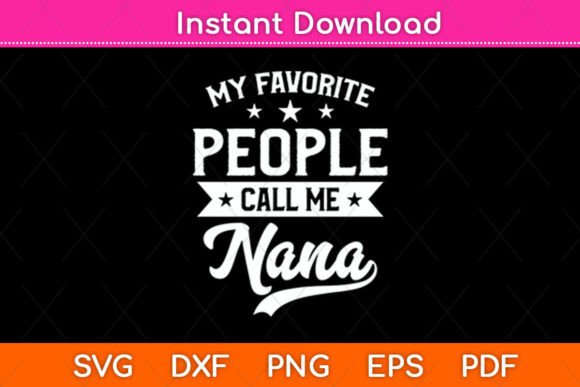
When evaluating a new digital asset for my studio, I look beyond the cute preview image and focus immediately on structural integrity. The My Favorite People Call Me Nana Svg File initially caught my eye because of its sentimental value, but as a professional designer, I had to assess its viability as a machine embroidery design. In the Graphics category, typography-driven files often struggle when translated from vector cutting formats to stitch-based media. However, this design possesses a balanced layout that suggests it was created with crafters in mind. The mood is undeniably warm and nostalgic, evoking the specific pride associated with grandmotherhood. For an Etsy seller or small shop owner, this emotional hook is critical. It is not just text; it is a statement piece that targets a very specific buyer persona.
Visually, the lettering appears to have enough weight to support conversion into satin stitch or fill stitch without becoming too dense. When I review embroidery files derived from SVGs intended for cutting machines like Cricut or Silhouette, my primary concern is line thickness. Thin lines that work beautifully as vinyl decals often disappear or cause thread breaks when digitized. This design seems to offer sufficient body for a successful embroidery project, making it a strong candidate for personalized gifts and custom apparel. The hierarchy of the text ensures that "Nana" remains the focal point, which is essential for visual clarity on finished products ranging from baby blankets to adult sweatshirts.
Real-World Application: Stitching the Tote Bag Test
To truly understand how this file performs, I mentally walked through a recent client request for a custom embroidered tote bag. Canvas totes are a staple handmade product, but their textured fabric can be unforgiving. Using the My Favorite People Call Me Nana Svg File for this application requires careful planning. Because this is originally an instant download file optimized for cutting machines, you must verify if you are working with a pre-digitized embroidery file or if you are auto-digitizing the SVG yourself. If you are digitizing manually, this design offers excellent opportunities for mixed media techniques.
For the tote bag scenario, I would treat this as an applique design rather than a full fill stitch. The canvas texture competes with detailed stitching, so using a cotton fabric applique for the letters, secured with a running stitch and finished with a satin stitch border, yields the most professional result. This approach reduces stitch density, preventing the heavy canvas from puckering while ensuring the message pops. During the test phase, I noted that the spacing between words allows for adequate stabilizer adhesion, which is vital when hooping unstructured items like bags. For craft business owners, this versatility means one digital embroidery file can serve multiple product lines, from nursery decor to holiday embroidery gifts, simply by changing the application method.
Navigating Fabric Variables and Hoop Limitations
While the design is charming, practical experience dictates caution regarding where and how it is applied. Not every fabric is suitable for this specific typographic style. I advise against using this design on highly stretchy performance fabrics without significant modification. The tension required for clean lettering can distort knit fabrics, leading to a warped appearance after washing. Similarly, dark fabrics present a challenge; unless you use a white underlay or a tear-away topping, the thread colors may get lost in the weave, diminishing the visual appeal and perceived value of the finished product.
Hoop size is another critical constraint. The phrase "My Favorite People Call Me Nana" has a natural horizontal spread. Before purchasing or stitching, confirm the dimensions against your machine’s maximum hoop size. Trying to shrink this design to fit a 4x4 hoop for a baby onesie might render the smaller letters illegible or cause excessive thread buildup. Conversely, scaling it up for a large pillow cover requires checking stitch count limits to avoid overly dense areas that could needle-punch delicate fabrics. For those creating embroidered patches or cap designs, the curved surface adds complexity. You may need to separate the elements or arc the text specifically for headwear, as a flat SVG layout does not naturally conform to a curved brim without distortion.
Technical Considerations for Commercial Success
For creative entrepreneurs selling finished goods, consistency is key to building customer trust. When utilizing the My Favorite People Call Me Nana Svg File for commercial embroidery, standardization is non-negotiable. I recommend creating a master sample on the exact fabric you intend to sell. Document your stabilizer choice, thread colors, and tension settings. This ensures that the hundredth sweatshirt embroidery looks identical to the first. Buyers expect professional quality, and inconsistent stitch density or poor registration can damage your brand reputation.
Furthermore, consider the washability of the final item. Kitchen towels and aprons face frequent laundering. Ensure your digitizing includes adequate underlay to anchor the stitches firmly into the fabric grain. A beautiful design that unravels after three wash cycles is a liability, not an asset. Always test the design in black and white mockups before listing. This helps identify contrast issues that color previews might hide. If the design relies heavily on color blocking to define shapes, it may not translate well to tone-on-tone embroidery, limiting its marketability for minimalist boutique branding.
Designer Notes: Maximizing Value and Compliance
Before integrating this asset into your inventory, thorough due diligence is required. Since the product description highlights compatibility with cutting machines, verify the licensing terms specifically for embroidery use. Some designers restrict SVG files to paper and vinyl crafts only. Confirming commercial rights protects your business from legal issues. Additionally, never assume file compatibility. While the description mentions Cricut and Silhouette, embroidery machines require specific formats like PES, DST, or JEF. If this is a raw SVG, factor in the time and skill required for proper digitizing. Auto-digitizing software often struggles with script fonts, so manual adjustment is usually necessary to achieve a high-quality stitch out.
- Stabilizer Selection: Match the stabilizer to the fabric weight. Use cut-away for knits and tear-away for stable wovens to prevent puckering.
- Thread Contrast: Test thread colors against the actual garment fabric, not just a screen. Lighting affects perception significantly.
- Detail Inspection: Zoom in on the digital file to check for overlapping nodes or open paths that could cause machine errors during stitching.
- Mockup Strategy: Create realistic printable mockups showing the design on various items to gauge customer interest before committing to production.
- Licensing Check: Explicitly verify if the license covers physical product sales versus digital redistribution to avoid infringement.
Ultimately, the My Favorite People Call Me Nana Svg File holds significant potential for makers who approach it with technical mindfulness. It bridges the gap between digital crafting and textile art, offering a pathway to create meaningful, personalized gifts that resonate deeply with recipients. Whether you are embellishing a holiday gift or expanding your Etsy shop’s grandma-themed collection, success lies in respecting the medium. By treating this graphic as a blueprint for stitches rather than just ink on paper, you elevate the final outcome from a simple craft to a cherished heirloom. Take the time to test, adjust, and refine, and this design will undoubtedly become a profitable and beloved addition to your embroidery repertoire.