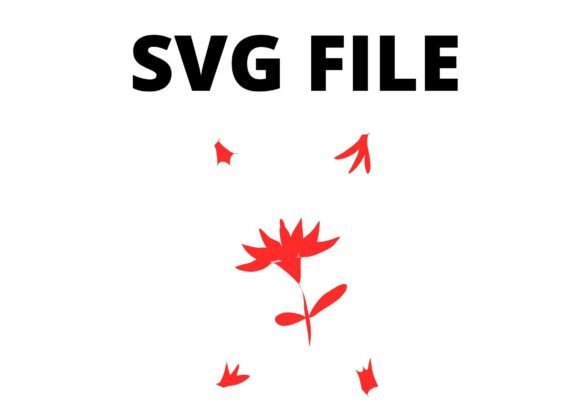
Red Abstract Line Geometric Craft Svg Review
As a professional embroidery digitizer and product reviewer, I approach every new graphic asset with a critical eye toward stitchability. When evaluating the Red Abstract Line Geometric Craft Svg, my primary concern is how this vector-based artwork translates from a screen to a tangible, stitched reality. While the product description highlights its versatility for POD designs, scrapbooking, and school projects, my focus here is strictly on its performance as a foundation for machine embroidery design and commercial craft applications. Geometric line art can be deceptively simple; it requires precision because there is nowhere to hide uneven spacing or poor tension. After analyzing the flow and structure of this specific SVG, I have practical insights for makers and shop owners considering this asset for their next collection.
First Impressions: Visual Rhythm and Stitch Potential
The immediate strength of the Red Abstract Line Geometric Craft Svg lies in its confident use of negative space. Unlike dense fill stitch designs that can cause fabric puckering, this layout suggests an airy, modern aesthetic that is highly desirable in current boutique markets. The lines possess a deliberate rhythm that implies movement without chaos. For an embroidery designer, this is promising. It suggests that when converted into a digital embroidery file, the design will likely rely heavily on running stitch or satin stitch columns rather than heavy tatami fills. This makes it an excellent candidate for lightweight fabrics where bulk is the enemy.
Visually, the abstract nature allows for broad interpretation. It does not scream "holiday" or "baby," which actually increases its value for a craft business. It is a chameleon asset. Depending on your thread colors and placement, this same geometric framework could serve as a minimalist logo backdrop for corporate wear, a trendy accent on a sweatshirt embroidery project, or a sophisticated border for linen tea towels. The red colorway in the source file provides high contrast for digital mockups, but as stitchers know, the true test is how those values translate to thread sheen against various textile backgrounds.
Real-World Application: The Custom Tote Bag Test
To truly judge the viability of this graphics asset, I mentally applied it to a recent client request: a series of canvas tote bags for a local art gallery gift shop. The client wanted something architectural yet organic, avoiding cliché clip art. The Red Abstract Line Geometric Craft Svg fit this brief perfectly. In this scenario, I envisioned scaling the design to fit a 5x7 hoop size, placing it slightly off-center to maintain a contemporary feel.
For this embroidered patch or direct-to-garment application, the linear quality of the SVG serves as a guide for decorative stitching. Because tote bags are often made of unstructured cotton canvas, a design with too much density would warp the bag's shape. This abstract line work, however, maintains the drape of the fabric. I would likely digitize the main structural lines using a heavier weight satin stitch to mimic the boldness of the original vector, while using finer running stitches for internal details. This variation in stitch density adds tactile interest that customers appreciate in a handmade product. The result is a personalized gift that feels intentional and high-end, rather than like a generic transfer.
Navigating Fabric Limitations and Hoop Constraints
While the design is versatile, experienced Etsy sellers and apparel decorators must exercise caution regarding substrate selection. Geometric line art demands stability. If you plan to use this for custom apparel on stretchy knits or performance wear, the lack of inherent structure in the design means your stabilizer choice becomes paramount. A cut-away stabilizer is non-negotiable here to prevent the clean lines from distorting during wear and washing.
I would also advise testing before committing this design to curved surfaces like caps or sleeves. Abstract lines that look straight on a flat screen can appear warped when wrapped around a cylinder unless the digitizing compensates for the curve. Furthermore, if you are working with textured fabrics like terry cloth or fleece for baby embroidery or holiday embroidery, the fine lines of this SVG may get lost in the pile. In those cases, you might need to add a knockdown stitch layer beneath the design or increase the column width of the satin stitches to ensure visibility. Always verify that your specific embroidery file conversion respects the minimum stitch length required for your machine to avoid thread breaks on sharp geometric corners.
Commercial Value and Brand Consistency
For small shop products and digital product sellers, consistency is key to building buyer trust. The Red Abstract Line Geometric Craft Svg offers a cohesive visual anchor that can tie together disparate product lines. Imagine using this same geometric motif on a nursery pillow cover, a matching bib, and a coordinating printable mockup for your listing photos. This repetition creates brand recognition. However, because this is marketed as ideal for templates and school projects, you must ensure your finished embroidery elevates the source material beyond basic craft status.
When selling finished goods, the professionalism of your stitching directly impacts perceived value. Clean jumps, proper trims, and appropriate backing are essential. Since this design relies on line work, any tension issues will be glaringly obvious. I recommend running a test sew-out on scrap fabric identical to your final product. Check the thread colors against both natural and artificial lighting. Red thread, in particular, can sometimes bleed or appear darker than expected on certain monitors; verifying your physical thread match ensures the customer receives exactly what they saw in your digital preview.
Essential Designer Notes for Successful Execution
Before loading this design into your machine or listing it in your shop, consider these practical checkpoints derived from professional production workflows:
- Verify Licensing and Formats: The product description lists SVG format ideal for craft designs and templates. Confirm whether you have the rights to sell physical embroidered items versus digital files. Never assume commercial embroidery rights without explicit confirmation.
- Digitization Strategy: Do not auto-digitize complex geometry. Manually map out the stitch path to minimize jump stitches. The flow of the Red Abstract Line Geometric Craft Svg should dictate your needle penetration points to maintain smooth curves and sharp angles.
- Contrast Testing: Test the design on white, black, and colored fabrics. Abstract lines can disappear on similarly toned backgrounds. You may need to add an outline or shadow effect in your embroidery software to enhance definition on dark garments.
- Scale Integrity: Determine the smallest safe size for this design. Reducing line art too much causes satin stitches to overlap and bunch. Establish a minimum dimension to preserve clarity in detailed corners.
- Mockup Accuracy: Use realistic textures in your printable mockups. Showing this design on a flat white background does not help customers visualize it on a textured apron or knit sweater. Accurate representation reduces returns and increases satisfaction.
- Washability Check: If intended for kitchen towels or baby clothes, wash-test your sample. Ensure the stitch density holds up to frequent laundering without fraying or pulling the base fabric.
Ultimately, the Red Abstract Line Geometric Craft Svg is a strong foundational asset for the modern maker. Its success depends entirely on thoughtful execution. By respecting the relationship between vector lines and physical thread, and by choosing applications that highlight its architectural elegance, you can transform this digital graphic into a profitable, professional-grade embroidery product. Whether you are creating a unique holiday gift or stocking your Etsy store with best-sellers, let practical craftsmanship guide your creative decisions.