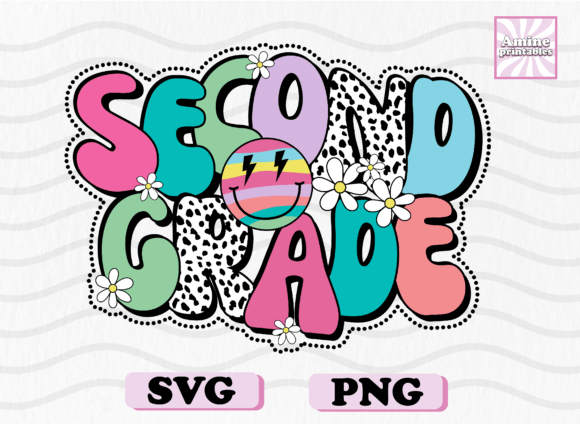
Retro School 2nd Grade Dalmatian Dots Review
As a professional embroidery digitizer and product reviewer, I approach every new machine embroidery design with a critical eye. It is not enough for a graphic to look charming on a screen; it must translate into physical stitches that hold up to wear, washing, and customer scrutiny. When evaluating the Retro School 2nd Grade Dalmatian Dots design, my primary focus is on how this nostalgic aesthetic performs in real-world production environments. This review breaks down the practical application of this artwork for crafters, Etsy sellers, and apparel decorators who need reliable results.
Capturing the Nostalgic Aesthetic in Stitches
The first impression of Retro School 2nd Grade Dalmatian Dots is one of playful nostalgia. The visual personality leans heavily into vintage educational themes mixed with the timeless appeal of dalmatian spots. For a designer, this combination suggests a specific mood: approachable, youthful, and intentionally imperfect in a way that mimics hand-drawn art. However, translating "retro" into embroidery requires careful consideration of stitch density. True vintage aesthetics often rely on distressed textures or faded colors, but in embroidery, we achieve this through thread selection and stitch type rather than digital filters.
When reviewing the layout, I look for balance. Dalmatian dots can easily become visually chaotic if not spaced correctly. In this design, the arrangement appears structured enough to serve as a focal point on custom apparel without overwhelming the garment. The retro school theme implies bold, readable elements, which is excellent for visibility from a distance. For makers creating personalized gifts or boutique merchandise, this design offers a distinct alternative to generic animal prints, providing a narrative hook that resonates with parents, teachers, and dog lovers alike.
Real-World Application: Stitching a Teacher Appreciation Tote
To truly evaluate this asset, I mentally placed it in a current project scenario: creating a custom canvas tote bag for a second-grade teacher appreciation gift. This use case tests both durability and aesthetic appropriateness. Canvas is a textured fabric that demands a robust embroidery file. If the Retro School 2nd Grade Dalmatian Dots design relies too heavily on delicate running stitch details, they might get lost in the weave of the canvas. Conversely, if the fill areas are too dense, the needle could perforate the fabric excessively, leading to puckering.
In this scenario, the design serves as the centerpiece of a handmade product. I would pair the graphic with a simple name or year using a complementary font. The dalmatian motif adds a layer of whimsy that elevates the item beyond a standard monogrammed bag. For an Etsy seller, this specific combination targets a high-intent niche. Customers searching for teacher gifts want something that feels personal and relevant to their grade level. By utilizing this specific 2nd-grade themed artwork, you signal relevance immediately. The key here is ensuring the thread colors match the retro vibe—think muted blacks, warm whites, and perhaps a pop of primary red or yellow to anchor the school theme.
Fabric Compatibility and Technical Considerations
While versatile, Retro School 2nd Grade Dalmatian Dots will behave differently across various substrates. As an experienced reviewer, I advise caution when applying this to certain materials.
- Stretchy Fabrics: On t-shirts or sweatshirts, the spot pattern must have adequate underlay. Without proper stabilization, the weight of the stitches can cause the knit fabric to sag. Always use a cut-away stabilizer for these applications to maintain the integrity of the design over time.
- Textured Surfaces: For items like tea towels or burlap-style bags, verify that the smallest dots in the design are large enough to register clearly. Tiny satin circles can disappear into heavy textures. You may need to slightly scale up the design or adjust the stitch density to ensure clarity.
- Dark vs. Light Backgrounds: High contrast is vital for dalmatian designs. On white fabric, black thread is standard. However, on dark navy or black garments, consider using white thread for the spots and outlining them in black, or reversing the color scheme entirely. Test this contrast before committing to a full production run.
- Curved Items: If adapting this for caps or tumblers, check the hoop size limitations. Circular designs sometimes require distortion correction when wrapped around a curved surface. Ensure your machine’s software can handle this adjustment without warping the retro proportions.
Commercial Viability for Small Business Owners
For creative entrepreneurs and small shop product developers, time is money. A design that requires constant troubleshooting is a liability. Retro School 2nd Grade Dalmatian Dots appears optimized for commercial efficiency because of its thematic specificity. Generic dog designs saturate the market, but grade-specific retro graphics occupy a profitable micro-niche. This allows for better SEO in your listings and higher conversion rates from targeted buyers.
Furthermore, this design functions well as part of a collection. As a digital embroidery file, it pairs naturally with other grade levels or matching retro school icons. Building a cohesive brand identity around this aesthetic helps establish recognition. When customers see your printable mockup or finished photos, they should instantly associate that retro-dotted style with your shop. Consistency builds trust, and trust drives repeat sales. Just remember to verify the licensing terms included with your purchase to confirm whether you can sell finished physical products, digital files, or both.
Essential Pre-Stitch Checklist for Makers
Before loading this design into your machine for a client order or inventory stock, run through this professional checklist to ensure quality control:
- Verify Hoop Size: Confirm the design dimensions fit comfortably within your hoop with at least a half-inch margin. Never max out your hoop area, as tension issues usually occur at the edges.
- Test on Scrap Fabric: Never stitch directly onto a final product without a test run. Use a scrap piece of similar weight and texture to check for registration errors or thread breaks.
- Inspect Small Details: Zoom in on the digital file. Are there any jump stitches that weren’t trimmed? Are the smallest dots defined by satin stitches or fills? Adjust settings if necessary to prevent bird-nesting.
- Check Thread Contrast: View the design in grayscale or black-and-white mode in your software. If the details vanish without color, the contrast is insufficient for embroidery.
- Review Stabilizer Choice: Match your backing to the fabric, not just the design. A heavy fill stitch on lightweight cotton requires different support than the same stitch on denim.
- Mockup Validation: Create a realistic digital preview before listing. Ensure the placement looks natural on the garment template. Misplaced designs in mockups lead to returns and negative reviews.
Final Thoughts on Design Performance
Retro School 2nd Grade Dalmatian Dots represents a strong intersection of trend-aware aesthetics and functional embroidery potential. Its success in your studio depends less on the graphic itself and more on your technical execution and material choices. Whether you are stitching a baby embroidery keepsake, a holiday gift, or a line of commercial apparel, treat this design as a foundational element of your creative process. By respecting the technical requirements of stitch types and fabric interactions, you transform a simple digital graphic into a high-value, tangible product that delights customers and stands the test of daily use. Always prioritize testing and quality assurance to ensure your finished product reflects the professionalism your brand deserves.