Happy Last Day of School Teacher Shirt Design Review
As a professional embroidery digitizer and product reviewer, I approach every new graphic asset with a specific question: will this actually stitch out cleanly on a garment, or is it just a pretty picture? When evaluating the Happy Last Day of School, teacher T-shirt design bundle, my focus shifts immediately from screen resolution to stitch pathing and fabric compatibility. This review breaks down how this versatile graphic performs when translated from a high-resolution digital file into a tangible, embroidered product for teachers and school staff.
First Impressions: Visual Mood and Layout
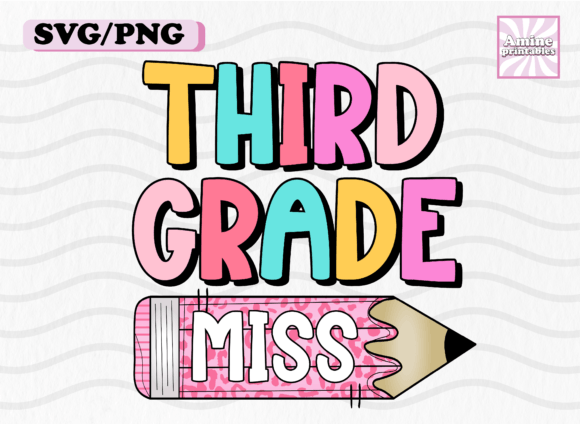
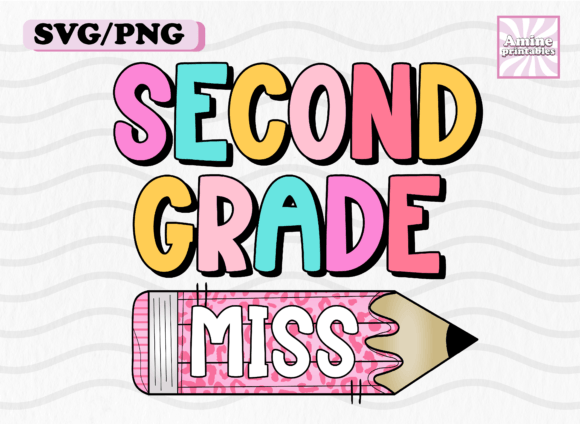
The initial appeal of this design lies in its celebratory yet professional aesthetic. For an Etsy seller or craft business owner targeting the education niche, the visual personality strikes the right balance between festive and wearable. The layout appears optimized for center-chest placement on custom apparel, which is crucial for maintaining proportion on various shirt sizes. As a graphics asset, the 4500x5400 dimension at 300 dpi provides ample clarity for creating printable mockups and digital product previews. However, for us makers, that resolution serves a different purpose: it allows us to trace clean lines if we need to recreate the art as a native machine embroidery design.
The mood is undeniably upbeat, making it ideal for end-of-year merchandise. From a design perspective, the elements seem distinct enough to allow for color blocking, which is essential when planning thread colors for a multi-needle machine or single-needle setup. It avoids the cluttered look that often plagues holiday embroidery, suggesting it will retain its charm even when stitched at smaller scales.
Real-World Application: Stitching the Teacher Sweatshirt
To truly judge this asset, I mentally applied it to a recent client request: a batch of personalized sweatshirts for a local elementary school’s staff appreciation event. In this scenario, the Happy Last Day of School, teacher T-shirt graphic serves as the primary decoration. Sweatshirt fleece presents unique challenges due to its pile and stretch, requiring careful consideration of stitch density and stabilizer choices.
If adapting this PNG or SVG into an applique design, the bold shapes suggested by the high-res artwork would work beautifully with a satin stitch border. This technique reduces overall stitch count compared to a full fill stitch, keeping the garment soft and drapeable—a key factor for teacher comfort. For the lettering, I would verify that the font weight in the original graphic can support a minimum column width. If the text is too thin in the source file, it risks getting lost in the fleece texture. In this real-life case, using a cut-away stabilizer and a water-soluble topping would be non-negotiable to prevent the stitches from sinking into the fabric nap.
For those producing tote bag designs or kitchen towels, the design’s versatility shines. Cotton canvas and linen offer a stable foundation where running stitch details and finer fill stitches can really pop. Here, the high resolution of the source file ensures that any intricate borders or decorative accents remain crisp during the digitizing process.
Navigating Fabric Limitations and Hoop Constraints
While the digital file is robust, physical execution requires caution. Not every fabric is suitable for this specific aesthetic. I advise testing this design carefully on performance wear or thin, stretchy knits. High-density areas in the graphic could cause puckering on lightweight tees unless a lightweight mesh cut-away stabilizer is used effectively. Conversely, on heavily textured fabrics like terry cloth, fine details may vanish entirely.
Hoop size is another critical variable. Before committing to a production run, confirm your machine’s maximum stitching area against the intended size of the Happy Last Day of School, teacher T-shirt motif. If you are downsizing significantly for a baby embroidery project or a sleeve patch, ensure the smallest text elements remain legible. A general rule in commercial embroidery is that satin stitch columns should not exceed 7mm to avoid looping, and text height should rarely drop below 6mm for readability. If the original graphic features ultra-thin script, it may need modification before it becomes a viable embroidery file.
Dark fabrics also demand attention. Since the provided files are likely RGB or CMYK for print, you must visualize how these colors translate to thread. White or light-colored thread on a navy sweatshirt offers classic contrast, but ensure the underlay is sufficient to prevent the dark fabric from showing through lighter stitch areas.
Impact on Product Value and Brand Professionalism
Using high-quality source assets directly correlates to customer trust. When a buyer sees a clean, well-proportioned embroidered patch or finished product, they perceive higher value. Blurry edges, gapping registration, or illegible text signal amateur work. By starting with a 300 dpi graphic, you eliminate guesswork in tracing, leading to smoother stitch paths and a more professional handmade presentation.
For small shop products and boutique branding, consistency is key. This design’s clear resolution allows for uniform results across different mediums. Whether you are stitching a cap, an apron, or a pillow cover, the integrity of the original art remains intact. This reliability builds brand recognition; customers return because they know your holiday embroidery and school spirit wear will always look polished.
Essential Designer Notes for Success
Before listing this as a digital embroidery file or selling finished goods, adhere to these practical checkpoints:
- Verify Licensing: Always check the specific license terms included with the bundle. Confirm whether you have rights for commercial embroidery, digital resale, or both before listing on Etsy or your own site.
- Test Stitch First: Never skip the sew-out on scrap fabric similar to your final project. Check for registration issues, thread tension, and stabilizer adequacy.
- Contrast Check: View the design in black and white before digitizing. This reveals value contrast independent of color, ensuring the design reads clearly on all fabric backgrounds.
- Stitch Density Review: If digitizing from the SVG/PNG, adjust density based on fabric type. Fleece needs less density than quilting cotton to prevent stiffness.
- Mockup Accuracy: Use the 4500x5400 PNG for realistic printable mockups, but ensure your listing photos show actual stitched samples whenever possible to manage buyer expectations regarding texture and sheen.
- Format Confirmation: Note that EPS, SVG, and PNG are vector/raster art formats, not native embroidery formats (like DST or PES). You will need digitizing software to convert this art into stitches.
Ultimately, the Happy Last Day of School, teacher T-shirt bundle offers a strong foundation for creative entrepreneurs. Its high resolution and versatile dimensions make it a reliable asset for both print and stitch applications. By applying professional judgment regarding fabric choice, stabilization, and digitizing parameters, you can transform this vibrant graphic into a best-selling personalized gift or a staple in your seasonal catalog. Remember, the quality of your finished product depends not just on the art you buy, but on the technical care you apply during production.