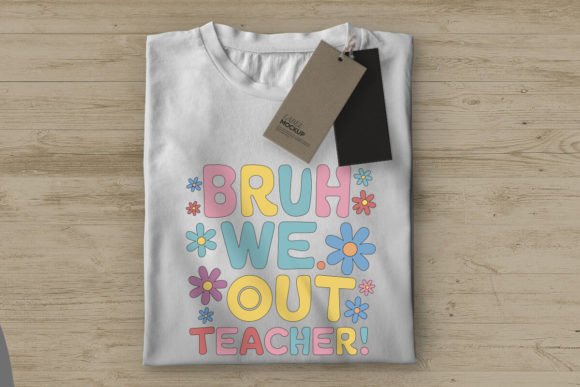
PNG Happy Last Day of School Sublimation Review
As a designer who bridges the gap between digital graphics and physical textile art, I approach every new asset with a specific question: will this actually translate to thread? When evaluating the PNG Happy Last Day of School Sublimation file, my perspective shifts from pure graphic design to practical application. While this asset is marketed primarily for sublimation within the Crafts and Graphics categories, its high-resolution vector origins make it a compelling candidate for mixed-media projects and digitizing references. For embroidery designers, Etsy sellers, and small shop owners, understanding how to leverage this PNG beyond the heat press is essential for expanding your product line during the busy end-of-year season.
First Impressions and Visual Personality
Upon opening the zip file, the immediate standout feature is the 300 DPI resolution in CMYK color mode. For an embroidery digitizer or apparel decorator, this clarity is non-negotiable. The design captures that specific, nostalgic excitement of the last school day. Visually, it feels celebratory yet structured enough to serve as a focal point on custom apparel or personalized gifts. The "well organized" nature of the file suggests clean lines and distinct color separation, which is exactly what we look for when determining if a graphic can be converted into a machine embroidery design or used as a precise placement guide for hybrid projects.
The mood is undeniably upbeat, making it naturally suited for student milestones, teacher appreciation items, or boutique merchandise targeting parents. However, as a reviewer, I am less concerned with the sentiment and more focused on the geometry. The vector-based foundation implies that the edges are crisp, reducing the risk of pixelation when scaling for different hoop sizes. This visual integrity is crucial whether you are creating a printable mockup for your online store or preparing a physical sample for a craft fair.
Real-World Application: The Teacher Tote Bag Scenario
To truly test the viability of this PNG Happy Last Day of School Sublimation asset, let’s consider a real-life production scenario: creating a premium canvas tote bag for a retiring teacher or a graduating senior. In my studio, I often combine techniques to increase perceived value. A straight sublimation print on polyester can sometimes feel flat. By using this high-res PNG as a base, I can create a mixed-media masterpiece.
Imagine printing the vibrant background elements using sublimation, then overlaying a textured applique design or satin stitch border derived from the same vector shapes. Because the source file is CMYK and high-resolution, matching thread colors to the printed ink becomes significantly easier. This hybrid approach transforms a standard tote bag design into a high-end handmade product. Customers recognize the difference immediately; the tactile contrast between smooth ink and raised stitching elevates the finished product from a simple novelty item to a cherished keepsake. For an Etsy seller, this level of detail justifies a higher price point and distinguishes your listings from competitors using generic clipart.
Navigating Fabric Textures and Technical Constraints
While the digital file is pristine, physical execution requires caution. Not every surface treats detailed graphics kindly. When adapting this design for sweatshirt embroidery or baby clothes, fabric texture is your primary variable. A smooth, tight-weave cotton will honor the 300 DPI detail, but a ribbed knit or heavy fleece may obscure finer elements. If you are digitizing this PNG for stitching, you must account for push-and-pull distortion. The "Happy Last Day" typography likely contains curves that need compensation in your embroidery software to prevent gaps after washing.
I advise extreme care when working with stretchy fabrics or dark garments. Since this is a sublimation-first asset, remember that sublimation only works on light poly-blends. If you intend to use this on dark cotton, you must pivot to vinyl, DTF, or full embroidery. For those using it as a reference for commercial embroidery projects, verify that the smallest text elements remain legible at your intended size. Tiny lettering that looks perfect on screen often turns into a muddy mess under a needle. Always check stitch density and consider simplifying internal details if you are downsizing for a patch or cap. Curved surfaces like caps introduce their own challenges; ensure the design's aspect ratio fits the limited vertical space of a hat frame without distorting the celebratory message.
Enhancing Brand Value and Customer Trust
In the competitive landscape of creative entrepreneurship, consistency builds trust. Using well-organized, high-quality assets like this PNG signals professionalism. When a buyer sees a listing photo where the colors are vibrant and the edges are sharp, they assume the physical item matches that quality. This asset supports that expectation. Whether you are selling digital embroidery files based on this theme or finished personalized gifts, the visual appeal directly impacts buyer engagement.
Furthermore, the versatility of this graphic allows for brand cohesion across multiple product types. You could offer a matching set: a sublimated mug for mom and an embroidered patch for the student’s backpack. This cross-category potential maximizes your return on investment for the design asset. For small business owners, having a reliable, editable source file means you can quickly adapt to custom requests—perhaps changing the year or adding a name—without rebuilding the artwork from scratch. This efficiency is vital during the peak graduation rush when turnaround times are tight.
Essential Designer Notes Before Production
Before you commit this PNG Happy Last Day of School Sublimation design to inventory or client work, run through this practical checklist. These steps save time, materials, and reputation:
- Test on Scrap Fabric First: Never run a final project without a sew-out or print test. Verify that the CMYK colors translate accurately to your specific substrate and that any corresponding thread colors match perfectly.
- Check Licensing Terms: Confirm whether your purchase includes commercial rights for both physical products and digital derivatives. Some licenses allow selling finished embroidered items but prohibit reselling the digitized file itself.
- Evaluate Stabilizer Needs: If converting to embroidery, match your stabilizer to the fabric weight. A tear-away might suffice for denim, but a cut-away is likely necessary for knit sweatshirts to maintain registration.
- Mockup in Black and White: Test the design’s contrast by viewing it in grayscale. If the design relies solely on color differentiation rather than value contrast, it may fail on certain fabric backgrounds or for visually impaired customers.
- Inspect Small Details: Zoom in to 100% and scrutinize corners and thin lines. If digitizing, ensure running stitches aren’t too short (causing perforation) or satin stitches too wide (causing looping).
- Verify Hoop Size Compatibility: Measure the design dimensions against your available hoops. Resizing vector-based PNGs is safe for print, but resizing embroidery files degrades quality. Plan your sizing before digitizing.
- Wash Test for Durability: If this is for baby embroidery or kitchen towels, wash and dry the sample three times. Check for dye migration in sublimation or thread shrinkage in embroidery.
Ultimately, the PNG Happy Last Day of School Sublimation file is a robust starting point for makers who understand the relationship between digital assets and physical craftsmanship. It offers the resolution needed for professional results and the thematic resonance that drives seasonal sales. By applying critical design judgment and respecting technical limitations, you can transform this graphic into profitable, beautiful products that genuinely celebrate the milestone. Whether you are a hobbyist exploring mixed media or a commercial shop owner streamlining production, treating this asset with professional rigor ensures your final output honors both the design and the customer.