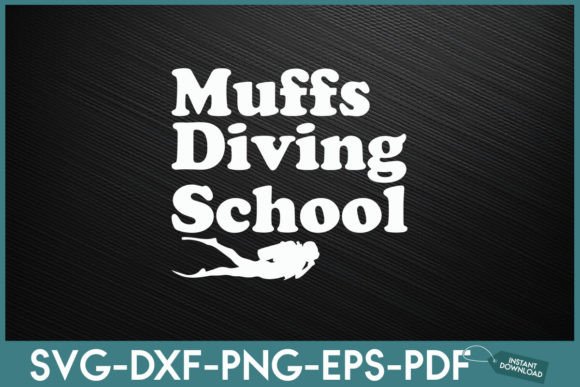
Muffs Diving School Vintage Scuba Diver Review
When evaluating a new machine embroidery design for my studio, I look past the digital preview and immediately imagine how it will behave under the needle. The Muffs Diving School Vintage Scuba Diver captures a specific nostalgic aesthetic that is currently trending in the craft business sector, but translating vintage graphics into thread requires careful consideration. As a designer who regularly produces custom apparel and boutique merchandise, I approached this graphic not just as a pretty image, but as a potential production asset. The retro typography and classic diver illustration suggest a rich texture, yet the transition from a vector SVG to an embroidery file demands scrutiny regarding stitch density, fabric compatibility, and final product value.
Capturing Retro Charm in Thread
My first impression of Muffs Diving School Vintage Scuba Diver is that it carries a distinct mid-century personality. The layout balances illustrative elements with bold, period-appropriate lettering, creating a mood that feels established and authentic rather than costumey. For an Etsy seller or maker focusing on nautical themes, coastal decor, or vintage revival fashion, this design offers immediate visual recognition. However, the "vintage" label often implies distressed edges or intricate shading that can be problematic in embroidery. In a real-world scenario, I envision this design shining on a heavyweight canvas tote bag design or a cream-colored sweatshirt. The nostalgia factor works best when the substrate supports the story; placing this on a sleek, modern performance polo might create a visual disconnect, whereas a textured linen tea towel or a washed cotton apron amplifies the heritage feel.
Real-World Application: The Coastal Tote Project
To truly judge the viability of Muffs Diving School Vintage Scuba Diver, I mentally walked through a recent client request for a series of beach-themed market bags. This design was a top contender for the centerpiece. When stitching a graphic like this on canvas, the primary concern is registration between the text and the diver illustration. If the applique design elements or fill areas shift during stitching, the vintage charm collapses into a messy amateur look. I considered how the satin stitch borders on the lettering would interact with the coarse weave of the canvas. While the design promises a printable SVG format ideal for cutting machines, converting it for embroidery requires ensuring the column widths are sufficient to prevent the stitches from sinking into the fabric texture. For this specific project, the design’s bold shapes suggested it would hold up well to a medium-weight cutaway stabilizer, providing the necessary foundation for crisp edges without excessive puckering on a finished product meant for heavy daily use.
Navigating Fabric Constraints and Hoop Limitations
While Muffs Diving School Vintage Scuba Diver has strong aesthetic appeal, its application requires caution depending on your target product. Not every embroidery project is suitable for this level of detail. I would advise against using this design on lightweight knits or stretchy jersey fabrics without significant modification. The combination of dense fill stitch areas likely present in the diver’s suit and equipment can cause distortion on unstable fabrics, leading to a stiff, bulletproof patch effect that ruins the drape of a t-shirt. Furthermore, if you are working with small hoop size limitations, resizing this design down to fit a 4x4 hoop could compromise the legibility of the "Diving School" text. Tiny lettering often loses definition when scaled down, turning what should be a clear brand identifier into an unreadable blur. Always verify the minimum recommended size before committing to a run of baby clothes or pocket-sized logos.
Dark fabrics also present a challenge for this specific vintage palette. Many retro designs rely on subtle color blending or light-on-light contrast to achieve their aged look. On a navy or black sweatshirt, those nuances may disappear unless you adjust thread colors significantly or add an underlay base. As a reviewer, I have seen too many beautiful vintage graphics fail because the crafter assumed the digitization accounted for high-contrast backgrounds. Test stitching on a scrap of your actual dark fabric is non-negotiable here to ensure the diver remains visible and the school name pops effectively.
Commercial Viability and Product Value
For those running a small shop product line or selling at craft fairs, Muffs Diving School Vintage Scuba Diver holds potential as a signature graphic, provided it is executed with professional standards. Customers associate vintage aesthetics with quality and history; sloppy stitching undermines that perception instantly. When used correctly on items like embroidered patches, pillow covers, or holiday gifts, this design elevates the perceived value of the item. It transforms a generic blank into a curated piece of merchandise. However, you must consider the end-use care. Vintage-style embroidery often involves complex layering. If this design is intended for kitchen towels or baby items that require frequent washing, ensure the stitch density is balanced. Overly dense designs can trap moisture and take forever to dry, while sparse designs may fray after repeated laundering. A durable finished product builds customer trust far better than a delicate one that falls apart.
Essential Designer Notes Before You Stitch
Before adding Muffs Diving School Vintage Scuba Diver to your commercial library or personal collection, adhere to these practical checkpoints to ensure success:
- Verify File Compatibility: Although marketed as an SVG and silhouette file for print-cut crafts, confirm specifically which embroidery formats are included or if conversion is required. Never assume an SVG is directly readable by your embroidery machine without proper digitizing software.
- Test Stitch Density: Run a sample on scrap fabric matching your final project weight. Check the back of the embroidery; excessive bobbin thread showing on top indicates tension issues or density problems that need adjustment before stitching on a sellable item.
- Check Licensing Terms: As this is a digital asset from a design store, review the license carefully. Confirm whether you have rights for commercial embroidery on physical products versus digital resale. Protecting your business means respecting intellectual property boundaries.
- Mockup Realistically: Use printable mockup tools to visualize placement, but remember that thread has sheen and texture that pixels do not. Compare light and dark fabric backgrounds digitally first to save time on physical tests.
- Stabilizer Selection: Match your stabilizer to the fabric, not just the design. A vintage diver on denim needs different support than the same design on a quilt block. Proper stabilization is the difference between a professional handmade product and a hobbyist attempt.
- Color Contrast Check: View the design in grayscale to ensure values are distinct. If the diver blends into the background in black and white, it will lack depth in thread regardless of color choice.
Ultimately, Muffs Diving School Vintage Scuba Diver is a charming addition to the graphics category for makers who appreciate retro maritime style. Its success lies entirely in the execution. By treating this design with the technical respect required for personalized gift creation and commercial production, you can leverage its nostalgic power to create items that resonate deeply with buyers. Whether you are crafting a unique sweatshirt embroidery piece or developing a cohesive brand identity for a seaside boutique, let practical testing guide your creative decisions. The goal is always a product that looks as good in hand as it does on screen, honoring both the original art and the craft of embroidery itself.