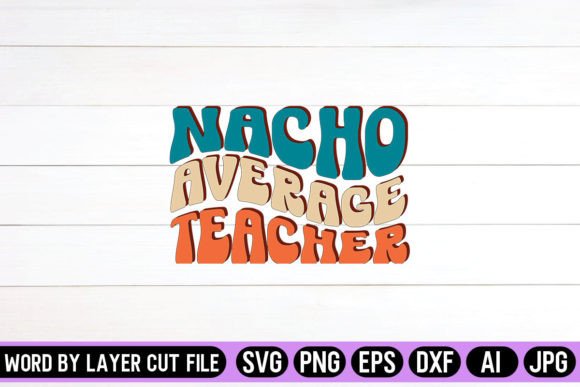
Nacho Average Teacher Retro Design Review
As a professional embroidery digitizer and product reviewer, I approach every new graphic with a specific question: will this actually stitch out well on a physical product? When evaluating the Nacho Average Teacher Retro Design, my focus shifts immediately from the screen to the hoop. This digital download, categorized under Crafts and Graphics, offers a playful, nostalgic aesthetic that is currently dominating the teacher appreciation and back-to-school markets. However, translating a retro vector graphic into a durable, high-quality embroidered item requires more than just loading a file. It demands an understanding of how vintage typography and layered elements interact with needle and thread.
First Impressions and Visual Personality
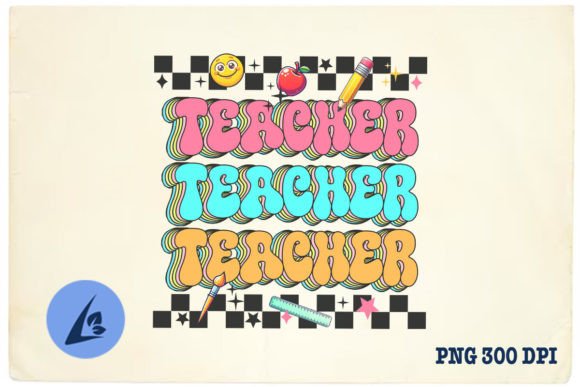
Upon opening the .zip file, which includes AI, SVG, PNG, EPS, and DXF formats, the first thing that stands out is the distinct "word by layer" structure. For an embroidery designer, this is a significant advantage. Unlike flattened raster images where text and background are merged, these separated layers allow for precise color mapping and potential editing in vector software before digitizing. The retro vibe of the Nacho Average Teacher Retro Design relies heavily on bold, groovy typography and warm, muted color palettes typical of 70s aesthetics. Visually, it evokes a sense of fun and approachability, making it ideal for personalized gifts or boutique merchandise aimed at educators who want to show personality without sacrificing professionalism.
The layout is generally balanced, but as with many retro designs, the lettering features varying stroke widths and organic curves. While this looks fantastic on a printable mockup or digital preview, it presents specific challenges for machine embroidery. The visual weight is substantial, suggesting this design wants to be the focal point of any finished product rather than a subtle accent.
Real-World Application: Stitching a Teacher Tote
To truly evaluate this asset, I mentally walked through creating a custom embroidered tote bag for a client who is a kindergarten teacher. Tote bags are a staple handmade product for this niche, but they are often made of canvas or cotton duck, which have distinct fabric textures. The Nacho Average Teacher Retro Design fits this application beautifully because the bold lines can withstand the weave of heavier fabrics.
In this scenario, I would treat the design as a potential applique design or a dense fill stitch project. If using the SVG files to create a custom embroidery file, I would recommend assigning satin stitch columns to the outer edges of the letters to define the retro shape crisply against the canvas. The interior could utilize a lighter fill stitch to reduce bulk. Because the download provides word-by-layer files, I could easily separate the phrase "Nacho Average" from "Teacher" to manage hoop size constraints or to use contrasting thread colors that pop against a natural canvas background. This level of control is essential for maintaining stitch clarity and ensuring the final embroidered patch or direct embroidery doesn't feel stiff or bulletproof.
Technical Considerations for Apparel and Accessories
While tote bags are forgiving, applying this design to custom apparel like sweatshirts or t-shirts requires careful planning. Retro fonts often include thin connecting lines or decorative flourishes that can get lost on stretchy knits. When preparing this for sweatshirt embroidery, stabilizer choice becomes critical. A cut-away stabilizer is non-negotiable here to prevent the design from distorting during wear and washing.
I must also address the issue of small details. If you plan to resize the Nacho Average Teacher Retro Design for smaller items like baby clothes or caps, proceed with caution. Retro typefaces often have tight counters (the enclosed spaces within letters). If scaled down too aggressively, these areas can close up during stitching, resulting in illegible text. Always check the minimum recommended size for your specific embroidery file format. For caps, the curved surface adds another layer of complexity; the design may need to be arched or simplified to accommodate the limited vertical stitching area of a hat frame.
Fabric Texture and Contrast Warnings
The success of this design hinges on contrast. On dark fabrics, the retro colors must be vibrant enough to stand out, or the design risks looking muddy. Conversely, on highly textured fabrics like terry cloth or fleece, the intricate details of the retro style might sink into the pile. In such cases, using a water-soluble topping is mandatory to keep the stitches visible. For Etsy sellers and small shop owners, testing on scrap fabric that matches your intended finished product is the only way to guarantee customer trust. A photo of a perfect digital proof does not excuse a poor stitch-out on the actual garment.
Commercial Viability for Makers and Sellers
For creative entrepreneurs and Etsy sellers, the Nacho Average Teacher Retro Design represents a strong commercial opportunity, provided licensing is verified. The inclusion of multiple file types (AI, EPS, DXF) suggests versatility for both digital product sellers and those creating physical goods. However, you must confirm whether your purchase includes commercial rights for selling finished embroidered products versus selling the digital embroidery file itself. These are two different business models.
From a branding perspective, this design supports a cohesive shop aesthetic. Its retro theme pairs well with other vintage-inspired graphics, allowing you to build a recognizable collection. When listing items, use the included PNG files to create accurate printable mockups, but always supplement these with photos of actual stitched samples. Buyers in the handmade market value transparency regarding stitch density and fabric interaction. Showing that you understand how the design behaves on a tea towel versus a pillow cover builds authority and reduces return rates due to unmet expectations.
Designer Notes for Optimal Results
Before you commit this design to a commercial run or a cherished gift, adhere to these practical guidelines:
- Verify File Compatibility: The download includes vector and raster graphics, not pre-digitized embroidery files (like PES or DST) unless specified elsewhere. You will likely need to digitize these SVG/DXF assets yourself or hire a digitizer. Confirm this step before purchasing.
- Test Stitch Density: Retro designs can be stitch-heavy. Run a test on scrap fabric to ensure the design isn't too dense for your chosen material, which could cause puckering or needle breaks.
- Check Thread Colors: Retro palettes are specific. Ensure you have thread colors that match the intended vintage mood; neon or overly bright modern threads can clash with the design's aesthetic.
- Respect Licensing: Double-check if the "Word By Layer" files allow for modification and resale of derived digital products, or if they are strictly for personal/commercial physical end-products.
- Evaluate Small Text: If the design includes subtext or taglines, verify they remain legible at your target hoop size. Running stitch text below 4mm height is rarely readable.
- Stabilizer Strategy: Match your stabilizer to the fabric weight. Lightweight tear-away for woven cottons, sturdy cut-away for knits and stretchy apparel.
Final Verdict on Practical Utility
The Nacho Average Teacher Retro Design is a charming, trend-relevant asset that holds significant potential for the embroidery community. Its strength lies in its layered vector construction, which offers flexibility for customization and color blocking. However, its retro intricacies demand respect during the digitization and stitching process. It is not a "set it and forget it" design for beginners working on difficult fabrics. But for the experienced maker who understands stitch density, stabilizer selection, and fabric behavior, this design can elevate a simple tote bag or sweatshirt into a best-selling handmade product. By approaching this graphic with technical mindfulness rather than just aesthetic appreciation, you ensure that the final embroidered result honors both the artistry of the original design and the quality standards of your craft business.