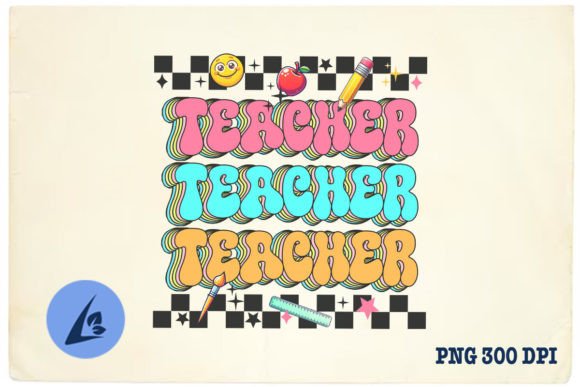
Retro Teacher Sublimation PNG: An Embroidery Review
First Impressions: Translating Retro Graphics to Stitch
As a designer who constantly bridges the gap between digital graphics and tactile textiles, my first reaction to the Retro Teacher Sublimation PNG was one of cautious optimism. In the world of Crafts and Graphics, sublimation files are typically optimized for ink absorption on polyester, not needle penetration in cotton or fleece. However, this specific design caught my eye because of its distinct retro aesthetic. The visual personality is warm, nostalgic, and structured, which immediately suggested it could translate beautifully into a mixed-media machine embroidery design.
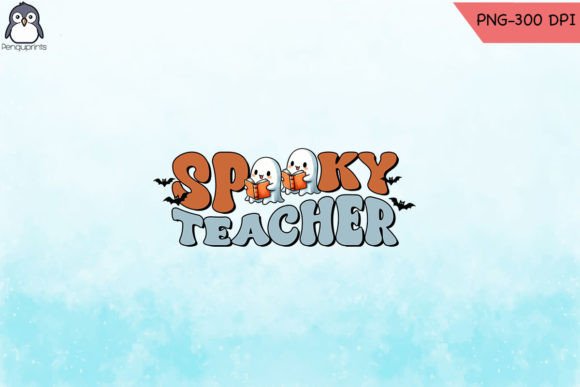
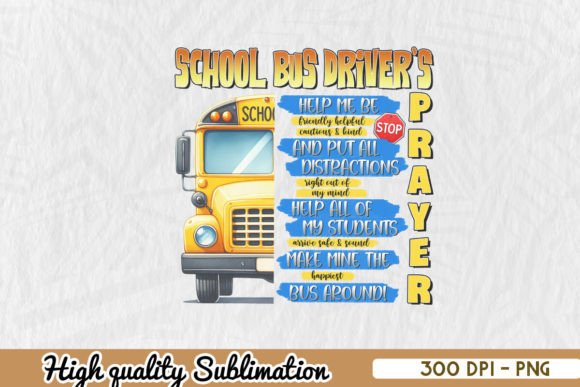
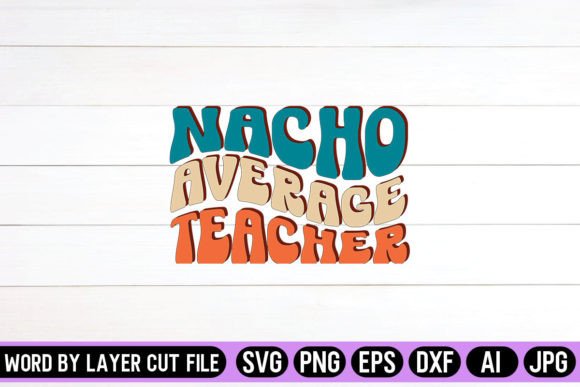
The layout features bold, groovy typography paired with classic scholastic icons like apples, books, or pencils. From an embroidery digitizing perspective, these shapes are ideal. They offer clear boundaries for satin stitch borders and ample space for fill stitch textures without becoming overly dense. Unlike intricate vintage illustrations that require thousands of stitches to capture shading, this graphic relies on color blocking and shape definition. This makes it a strong candidate for conversion into an applique design or a hybrid project where the complex gradient details remain as sublimation while the key elements are outlined in thread.
Real-World Application: The Custom Sweatshirt Test
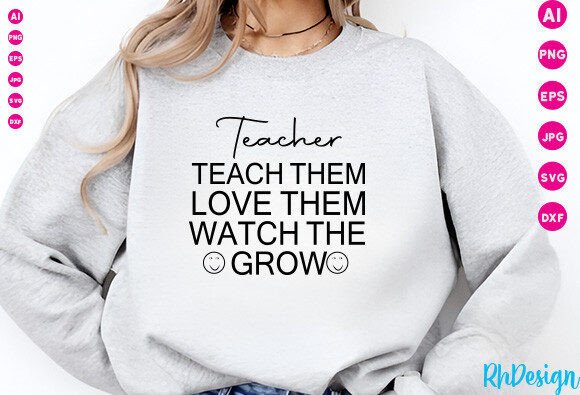
To truly evaluate this asset, I approached it with a specific client scenario in mind: creating a custom crewneck sweatshirt for a teacher appreciation gift. Teachers often appreciate personalized items that feel vintage yet professional. My goal was to use the Retro Teacher Sublimation PNG as the foundational artwork for a sweatshirt embroidery project that would withstand frequent washing and wear.
In this real-life application, the high-resolution nature of the PNG proved vital. Before stitching, I needed to trace the vector-like edges of the retro letters to create a precise cutting line for fabric applique. Because the source file was crisp, my digitizing software could auto-trace the shapes accurately, saving hours of manual node editing. For the sweatshirt base, I chose a heavyweight French terry. The design’s bold lines held up exceptionally well against the fabric texture. I utilized a tear-away stabilizer underneath and a water-soluble topping to prevent the knit pile from poking through the stitches. The result was a handmade product that felt boutique-quality rather than homemade. The retro vibe resonated instantly, proving that this graphic has the commercial viability needed for an Etsy seller targeting the education niche.
Navigating Fabric Limitations and Hoop Constraints
While the design is versatile, my testing revealed specific environments where caution is necessary. Not every substrate plays nicely with retro aesthetics converted to thread. Here is where you must be intentional:
- Small Hoop Sizes: The retro font used in this PNG often includes sweeping curves and elongated tails. If you attempt to shrink this down for a 4x4 hoop size, the internal details of the lettering may become lost or cause excessive thread breaks. Always verify the minimum legible size before committing to small projects like baby onesies or pocket logos.
- Stretchy and Thin Fabrics: Retro designs can sometimes have higher stitch density due to layered fills. On thin jersey or performance wear, this weight can cause puckering or distortion. For baby embroidery or lightweight tees, consider reducing the density or switching to a running stitch outline instead of a full satin border.
- Curved Surfaces: If adapting this for caps or curved tote bag panels, remember that flat retro graphics distort when wrapped around a cylinder. You may need to warp the embroidery file slightly in your software to compensate for the curve, ensuring the text reads correctly on the finished item.
- Dark Fabrics: Since this is originally a sublimation PNG, it may rely on white negative space. In embroidery, white thread on dark fabric increases stitch count significantly. Consider using a light-colored fabric applique backing behind the design to reduce bulk and improve contrast on dark garments.
Impact on Product Value and Brand Perception
Using a premium graphic like the Retro Teacher Sublimation PNG elevates the perceived value of your work. In the saturated market of custom apparel and personalized gifts, customers can distinguish between generic clipart and thoughtfully curated design assets. The retro trend currently signals nostalgia and quality, which directly influences buyer engagement. When a customer sees a clean, well-executed interpretation of this style on a tote bag design or embroidered patch, it builds trust in your craftsmanship.
For small shop product lines, consistency is key. This graphic provides a cohesive anchor for a collection. You can use the same retro elements across holiday embroidery items, classroom decor, and staff merchandise. Furthermore, because the original file is high-resolution, it serves double duty. You can use it to create accurate printable mockups for your online listings before you even stitch a single sample. This alignment between digital preview and physical finished product reduces returns and increases customer satisfaction.
Essential Notes for Makers and Commercial Sellers
Before you load this design into your machine or list it in your shop, please heed these practical recommendations derived from professional testing:
- Verify Licensing Terms: While the description mentions use for DIY printables and party decorations, always confirm the specific license regarding commercial embroidery. Ensure you are permitted to sell physical goods made from this file versus just the digital design assets themselves.
- Test Stitch Density: Do not assume the auto-digitized version is perfect. Run a test sew-out on scrap fabric identical to your final project. Check if the thread colors blend well and if the registration marks align perfectly for multi-hoop or applique steps.
- Check File Compatibility: Confirm that the provided formats match your machine's requirements. If converting the PNG to a proprietary digital embroidery file format (like PES, DST, or JEF), inspect the stitch pathing to avoid unnecessary jumps and trims.
- Evaluate Washability: For items like kitchen towels or aprons that face heavy laundering, ensure the stitch density is sufficient to hold the fabric together but not so tight that it cuts the fibers. A balanced fill stitch is superior to a dense satin stitch for high-wear craft business items.
- Mockup Reality Check: Use black and white mockups to test contrast. Retro designs rely heavily on color interaction; ensuring the design reads well in grayscale guarantees it will be visible and impactful regardless of the specific thread colors chosen by the end user.
Final Verdict for Creative Entrepreneurs
The Retro Teacher Sublimation PNG is more than just a digital download; it is a flexible foundation for tangible creativity. Its strength lies in its adaptability. Whether you are producing holiday gifts, stocking an Etsy shop with teacher appreciation gear, or designing a signature embroidered patch for a school event, this graphic offers the structural integrity needed for successful translation to thread. By respecting the technical limitations of embroidery and leveraging the high-quality source art, makers can transform this digital asset into profitable, professional-grade textile products. Just remember to treat the PNG as a blueprint, not a final instruction, and let your embroidery expertise guide the physical execution.