One Lucky Teacher Sublimation PNG: An Embroidery Review
As a designer who bridges the gap between digital graphics and tactile needlework, I approach every new asset with a specific question: will this translate beautifully into thread? When evaluating the One Lucky Teacher Sublimation PNG, my perspective shifts from simple screen viewing to practical application. While this file is marketed as a high-quality digital graphic for sublimation and iron-on transfers, its potential in the embroidery studio is significant for those willing to adapt it correctly. For fellow Etsy sellers, craft business owners, and apparel decorators, understanding how this graphic behaves when converted into a machine embroidery design is crucial for maintaining product value and customer trust.
First Impressions: Visual Personality and Layout
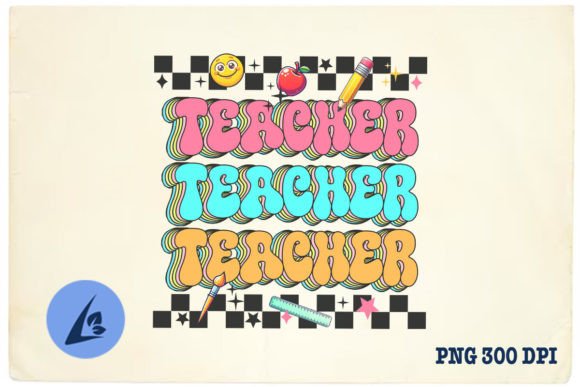
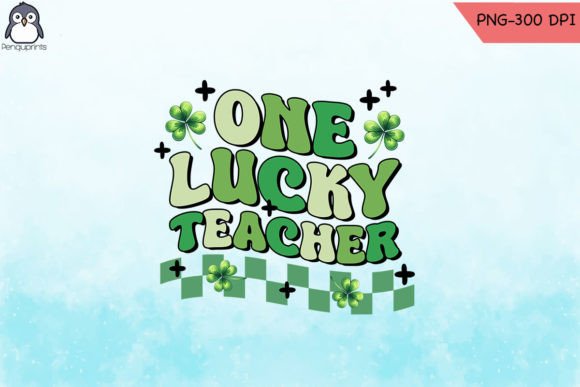
My initial assessment of the One Lucky Teacher Sublimation PNG focuses on its visual hierarchy and mood. The design carries a celebratory yet professional tone, making it immediately suitable for teacher appreciation gifts, retirement parties, or back-to-school merchandise. The layout appears balanced, which is a relief; asymmetrical or overly cluttered graphics often require extensive editing before they can function as an embroidery file. The typography seems bold enough to withstand the transition from pixels to stitches, a common failure point in many digital assets. However, because this is originally a sublimation graphic, the color gradients and shading are optimized for ink, not thread. As an embroidery designer, I see a beautiful foundation that requires thoughtful interpretation rather than direct auto-digitizing.
Real-World Application: The Custom Sweatshirt Test
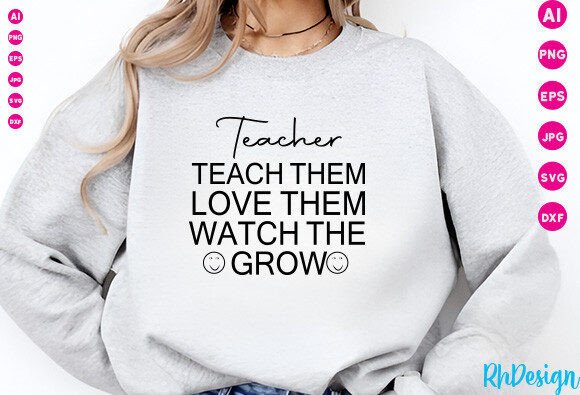
To truly judge this asset, I mentally placed it in a real-life production scenario: creating a custom crewneck sweatshirt for a retiring educator. This is a staple personalized gift in my shop and a high-demand item for small business merchandise. Sweatshirt fleece presents unique challenges due to its texture and stretch. If I were using the One Lucky Teacher Sublimation PNG as a guide for this project, I would prioritize simplifying the internal details. Sublimation allows for infinite color variation, but satin stitch and fill stitch have physical limitations.
For this sweatshirt embroidery project, I would convert the graphic’s gradient backgrounds into solid blocks of color or textured fill patterns to reduce stitch density. High stitch density on fleece can cause puckering or fabric distortion, ruining the handmade product's professional finish. By treating the PNG as a stylistic blueprint rather than a rigid template, I can create a durable, comfortable garment that retains the original design's spirit while respecting the mechanics of commercial embroidery. This adaptation ensures the finished product feels premium rather than stiff or bulletproof.
Navigating Fabric Limitations and Hoop Sizes
Not every canvas is forgiving. When planning to use this design across various products, caution is necessary. I would hesitate to use a direct translation of this detailed graphic on lightweight baby clothes or thin tea towels without significant modification. The stitch count required to replicate the visual weight of a sublimation PNG could overwhelm delicate fabrics, leading to tearing or excessive stabilizer buildup. For baby embroidery or nursery decor, I would extract only the core typographic elements or simplify the iconography into a clean applique design or running stitch outline.
Hoop size also dictates feasibility. If you intend to place this design on a curved surface like a cap or a small pocket, verify the dimensions against your machine’s capabilities before purchasing. Detailed corners and tiny lettering often get lost in small hoop sizes. In these instances, the One Lucky Teacher Sublimation PNG serves best as inspiration for a scaled-down version specifically digitized for caps or patches. Always test on scrap fabric first; what looks crisp on a monitor may become illegible mud when stitched at three inches wide.
Impact on Brand Consistency and Customer Perception
For creative entrepreneurs and digital product sellers, consistency builds recognition. Using high-quality graphics like this one helps maintain a cohesive aesthetic across printable mockups and actual inventory. When customers see a polished digital preview and receive a finished product that matches that quality, trust increases. However, there is a risk in over-promising. If your listing photos show the vibrant, gradient-rich sublimation version, but the embroidered reality is flatter, buyers may feel misled.
I recommend being transparent about the medium. Use the One Lucky Teacher Sublimation PNG for your marketing materials and design assets to attract attention, but provide close-up photos of the actual stitch-out to manage expectations. This honesty protects your reputation as an Etsy seller or boutique owner. Furthermore, ensure you understand the licensing terms. Confirm whether the license permits commercial embroidery use or if it is restricted to personal crafting. Selling finished products derived from this file requires clear permission to avoid intellectual property issues.
Technical Notes for Successful Translation
Transitioning from a graphic to a stitch file demands technical diligence. Here are practical steps I take when adapting this type of asset:
- Check Thread Color Contrast: Sublimation colors are RGB/CMYK; embroidery threads are limited. Map your thread colors physically against the fabric before digitizing to ensure readability.
- Review Stitch Density: Avoid auto-digitizing the entire PNG. Manually assign stitch types. Use satin stitch for borders and text, and lighter fill stitches for large areas to prevent fabric damage.
- Stabilizer Selection: Match the stabilizer to the fabric texture. Stretchy knits need cut-away stabilizer; woven cottons may suffice with tear-away. The wrong choice ruins stitch clarity.
- Test in Black and White: View your digitized version in grayscale. If the design lacks definition without color, the contrast is too low for embroidery.
- Inspect Small Details: Any element smaller than 1mm in height likely won't stitch well. Remove or enlarge these details in the software before running a test.
Evaluating Versatility Across Product Lines
Beyond apparel, consider where else this design adds value. Tote bag designs benefit from bold, readable graphics, making this PNG a strong candidate for canvas bags if simplified. Kitchen towels and aprons are excellent venues for holiday embroidery or teacher-themed gifts, provided the design is resized appropriately for the available stitching area. For those selling digital embroidery files, this graphic offers a chance to create a unique, derivative work that stands out in a saturated market, assuming you add significant artistic value through professional digitizing.
Ultimately, the One Lucky Teacher Sublimation PNG is a versatile starting point for makers who understand their craft. It excels as a visual reference and a sublimation-ready asset, but its success in embroidery depends entirely on the user's willingness to adapt. By respecting the physical constraints of thread and fabric, checking licensing for commercial embroidery, and testing rigorously, you can transform this digital graphic into a cherished handmade product that delights teachers and customers alike. Always remember: the file is the map, but your expertise is the vehicle that delivers the destination.