Teacher Teach Them Love Them: An Embroidery Review
As a designer who spends more time behind an embroidery machine than a computer screen, I approach every new graphic with a specific question: will this actually stitch out well? When evaluating Teacher Teach Them Love Them, my focus shifts immediately from the digital preview to the tangible reality of needle and thread. This design carries a sentiment that resonates deeply within the education and childcare community, but emotional resonance does not always translate to clean satin stitches or stable fill areas. In reviewing this asset for real-world application, I am looking at line integrity, text legibility at various sizes, and how the composition balances on different substrates. For fellow makers, Etsy sellers, and apparel decorators, understanding the practical behavior of this design is what separates a frustrating unpicking session from a best-selling handmade product.
First Impressions and Emotional Resonance
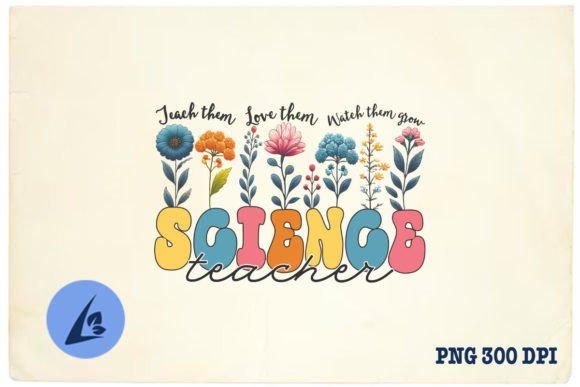
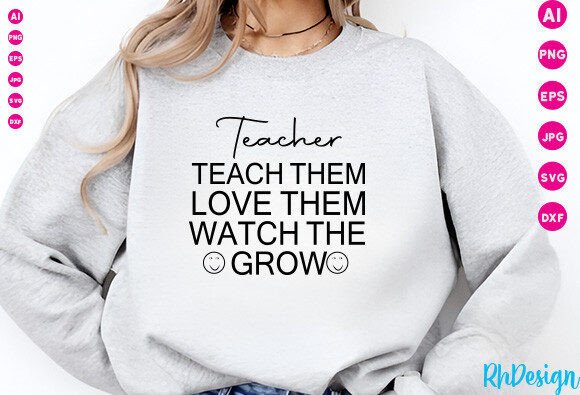
The initial visual impact of Teacher Teach Them Love Them is warm and inviting. It strikes a balance between professional appreciation and heartfelt gratitude, making it versatile for both personal gifts and commercial merchandise. From a graphics perspective, the layout suggests a hierarchy that should translate well to embroidery digitizing. The phrase itself implies a script or serif font combination that requires careful attention to spacing. When I look at this design, I see potential for a centerpiece on a tote bag or a left-chest placement on a sweatshirt. However, as with any typography-heavy machine embroidery design, the success lies in the details. The mood is nurturing, which means the stitching must reflect that softness; harsh, dense blocks of thread could undermine the message. The design assets provided include high-quality vector and print-ready files, which is excellent for creating printable mockups or hybrid mixed-media projects, but for pure embroidery, we must consider how those vectors convert to stitch paths.
Real-World Application: The Custom Tote Bag Test
To truly evaluate this design, I mentally placed it onto a canvas tote bag project intended for Teacher Appreciation Week. Canvas is a forgiving fabric texture, but it can be unforgiving if the stitch density is too high, leading to puckering. In this scenario, Teacher Teach Them Love Them serves as the primary focal point. If utilizing this as an applique design, the lettering needs sufficient column width to cover the raw edges of the fabric securely without fraying. If executed as straight embroidery, the running stitch outlines must be crisp against the natural canvas grain.
I also considered this design for sweatshirt embroidery on a cotton-poly blend. Here, the challenge is stretch. The phrase "Love Them" likely involves curves or connecting scripts that can distort on knit fabrics if not properly stabilized. For a small shop product or boutique branding item, consistency is key. You want the finished product to look as polished as the digital file. This design has the personality to drive buyer engagement because it speaks directly to the identity of the wearer, but only if the production quality matches the sentiment. A poorly stitched emotional message loses its value instantly.
Navigating Fabric Challenges and Technical Limits
While Teacher Teach Them Love Them is versatile, there are specific environments where caution is required. As an experienced reviewer, I advise testing before committing to expensive blanks.
- Small Hoop Sizes: Condensing this phrase into a 4x4 hoop may compromise legibility. Tiny lettering often turns into a thread nest. Verify the minimum readable size before scaling down for baby embroidery or sleeve cuffs.
- Textured and Stretchy Fabrics: On terry cloth towels or ribbed knits, the design risks getting lost in the fabric texture. Use a water-soluble topping to keep the stitches visible and defined.
- Dark Fabric Contrast: If stitching white or pastel thread on navy sweatshirts, ensure the underlay is sufficient to prevent the fabric color from bleeding through the stitches.
- Curved Surfaces: Placing this linear phrase on a cap or curved pocket requires distortion compensation. Standard flat-digitized files may warp when hooped on a cylinder.
These technical considerations are vital for maintaining professionalism. Whether you are creating a personalized gift for a favorite educator or stocking inventory for a craft business, the structural integrity of the embroidery determines customer trust. A design that looks beautiful on screen but fails on textured fabric will result in returns and negative reviews.
Impact on Product Value and Brand Consistency
In the competitive landscape of Etsy sellers and creative entrepreneurs, Teacher Teach Them Love Them offers a strong narrative hook. However, the perceived value of your finished product relies heavily on execution. Clean satin stitches, proper jump stitch trimming, and appropriate stabilizer choices elevate this graphic from a simple digital download to a premium handmade product. When customers see crisp, clear lettering that honors the sentiment, they associate that quality with your brand. Conversely, if the design is used commercially without verifying licensing or testing stitch outs, it risks damaging your reputation. Always confirm whether your purchase includes commercial rights for selling physical embroidered items versus just the digital embroidery file itself.
Furthermore, consider the longevity of the item. Teacher gifts are often kept for years. Ensuring the stitch density is balanced prevents the fabric from becoming stiff or bulletproof, which is a common issue with dense text designs. A soft, flexible stitch-out feels higher quality and wears better over time, reinforcing the "love" aspect of the message through tactile comfort.
Essential Designer Notes for Success
Before loading Teacher Teach Them Love Them into your machine, run through this practical checklist to ensure a successful outcome:
- Test Stitch First: Never skip the test sew on scrap fabric similar to your final project. Check for registration issues between color changes.
- Verify File Compatibility: The product listing mentions SVG, EPS, PNG, and Ai files. These are primarily vector and raster formats ideal for cutting machines, sublimation, or screen printing. Confirm you have the correct machine embroidery file format (like PES, DST, JEF, or EXP) compatible with your specific machine before purchasing.
- Check Thread Color Contrast: View the design in black and white during the planning phase to ensure the values hold up without relying solely on color differentiation.
- Stabilizer Selection: Match your stabilizer to the fabric weight. Cut-away for knits, tear-away for wovens, and adhesive sprays for difficult-to-hoop items.
- Mockup Validation: Use the included high-quality PNG to create realistic printable mockups for your listings, but ensure the actual stitch-out matches the visual promise made to the customer.
- Licensing Review: Clearly understand if you are licensed to sell the finished embroidered product or if the license restricts usage to personal projects only.
Evaluating Teacher Teach Them Love Them reveals a design with significant potential for the crafts and graphics market, provided it is treated with technical respect. It is more than just a collection of vectors; it is a candidate for meaningful connection through thread. By approaching this design with a critical eye toward stitch density, fabric interaction, and end-use durability, makers can transform a digital asset into a cherished, professional-grade embroidered piece that truly honors the educators it celebrates.