Tulips Flower Coloring Card Holder SVG Review
As a designer who bridges the gap between digital graphics and tangible textiles, I approach every new file with a specific question: will this translate beautifully into thread? When evaluating the Tulips Flower Coloring Card Holder Svg, my perspective shifts from pure vector artistry to practical embroidery application. While this asset is marketed primarily as a print-and-cut file for Cricut and Silhouette users creating Mother’s Day cards or party treats, its clean lines and distinct shapes hold significant potential for the embroidery studio. For Etsy sellers, craft business owners, and makers looking to expand their product lines beyond paper crafts, understanding how this graphic behaves as a machine embroidery design is crucial for maintaining quality and customer trust.
Translating Vector Lines to Stitch Paths
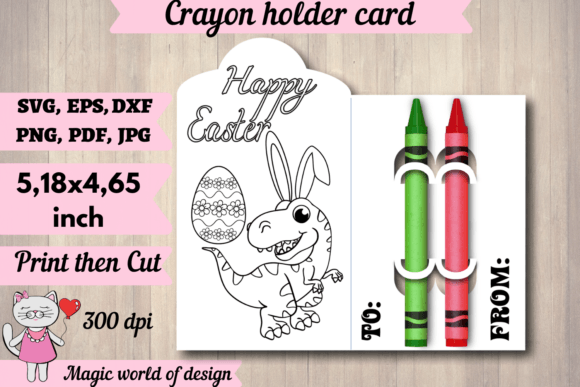
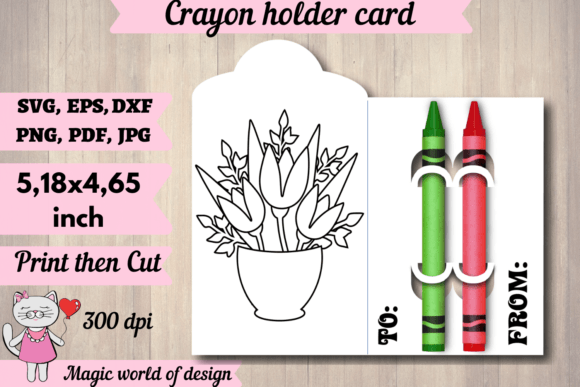
The first impression of the Tulips Flower Coloring Card Holder Svg is one of structured whimsy. The dimensions, noted at 5.18 x 4.65 inches, provide a generous canvas that works well for both digital cutting and embroidery hoops. Visually, the tulip motif offers a classic spring aesthetic that feels timeless rather than trendy. However, as an embroidery file, we must look past the screen preview. Coloring card designs typically rely on bold, uniform outlines intended for crayons or markers. In embroidery, these outlines become your guide for satin stitch borders or running stitch details.
For a custom apparel project, such as a lightweight spring sweatshirt or a denim jacket back patch, this design’s layout is advantageous. The separation between the flower elements and the "holder" or card structure allows for strategic color blocking. Unlike complex photographic embroidery files that require thousands of stitches to create shading, this graphic style relies on negative space and solid fills. This makes it an excellent candidate for applique design work. You could use the tulip shapes as templates for fabric appliqués, securing them with a narrow satin stitch, which drastically reduces stitch count and prevents the stiff, bulletproof feel that often plagues large embroidered graphics.
Real-World Application: The Spring Market Tote
To truly test the viability of this asset, I envision using it for a line of personalized gift tote bags aimed at the Mother’s Day and spring market demographic. Tote bags are high-traffic items; they get washed, stuffed, and dragged through daily life. A delicate, overly dense embroidery design would fail here. The Tulips Flower Coloring Card Holder Svg, with its inherent simplicity, is ideal for this substrate.
In this scenario, I would treat the design as a mixed-media piece. The "card holder" aspect of the graphic could be interpreted literally in the embroidery process. Imagine stitching the outline of the card holder in a dark green running stitch on natural canvas, while using a vibrant pink fill stitch or even a textured fabric appliqué for the tulips themselves. This approach respects the original intent of the coloring card while elevating it to a premium handmade product. Customers at craft fairs respond to this level of intentionality. They aren't just buying a bag with a flower on it; they are buying a cohesive design asset that looks professionally planned rather than hastily digitized.
Navigating Fabric Texture and Stabilizer Choices
While the design is versatile, it demands respect for fabric physics. Because this originated as a graphic for smooth paper or vinyl, placing it on textured fabrics requires adjustment. If you are embroidering this onto a terry cloth kitchen towel or a ribbed baby bib, the fine details of the tulip stems or card edges may get lost in the pile. In these cases, I strongly recommend using a water-soluble topping stabilizer to keep the stitches crisp and visible.
Conversely, if you are working with stretchy knit fabrics for baby embroidery or custom apparel, the structural integrity of the design becomes paramount. The 5.18 x 4.65 inch size is substantial. Without proper cut-away stabilizer and potentially a fusible backing, a design of this footprint can cause tunneling or puckering. Always test the design on scrap fabric first. Check whether the stitch density interacts poorly with the weave of your chosen material. A design that looks perfect on screen can distort on jersey knit if the underlay isn't sufficient to anchor those long satin stitch spans.
Critical Considerations for Small Details and Hoop Sizes
One area where caution is necessary involves scaling. While the native size is robust, many makers want to shrink coloring card designs down for hat embroidery or sleeve cuffs. Be aware that reducing this design below 3 inches may compromise the clarity of the "coloring" lines. Thin gaps between the tulip petals and the card border might close up during stitching, creating muddy blobs of thread. Before committing to a small hoop size, run a black and white mockup or a physical test stitch-out. Inspect the corners and tight curves. If the needle perforations are too close together, the fabric may tear, especially on lightweight materials like lawn or voile.
Additionally, consider the thread colors against your fabric background. Coloring cards are designed for white backgrounds. If you are stitching this on navy blue or black fabric for a boutique product, you cannot simply use the same thread palette. You may need to add a white underlay or adjust the design to include a light-colored border so the tulips pop against the dark ground. This extra step ensures the finished product maintains the visual appeal intended by the original artist.
Commercial Viability and Professional Presentation
For Etsy sellers and digital product sellers, this design offers dual revenue streams, provided you navigate licensing correctly. As a commercial embroidery asset, it fits perfectly into the "printable mockup" category. You can stitch out a sample on a pillow cover or apron, photograph it beautifully, and sell the physical item. Simultaneously, if your license permits, you might offer the digitized version to other hobbyists. However, transparency is key. Clearly state whether the file you are selling is the original SVG for cutting machines or a converted embroidery file. Confusion here damages brand consistency and buyer engagement.
When marketing finished products featuring the Tulips Flower Coloring Card Holder Svg, lean into the interactive nature of the original concept. Even as an embroidered piece, it evokes the nostalgia of coloring. Use this in your product descriptions. Phrases like "inspired by classic coloring cards" or "playful spring motif" connect emotionally with buyers looking for holiday embroidery or unique school gifts. This narrative adds value beyond the mere utility of the item.
Designer Notes for Successful Execution
Before adding this to your production queue, run through this practical checklist to ensure professional results:
- Verify Licensing: Confirm specifically if the license covers selling finished embroidered goods versus just paper crafts. Do not assume cross-medium rights.
- Check Stitch Density: If converting the SVG yourself or buying a pre-digitized version, ensure the fill stitch isn't too dense for the intended fabric weight.
- Test Contrast: Evaluate thread colors on both light and dark fabrics. What works for a white Mother's Day card may vanish on a pastel baby onesie.
- Inspect Small Text: If the design includes any text elements typical of coloring cards, verify they remain legible at your target size. Tiny lettering often requires redigitizing as running stitch rather than satin.
- Mockup Realistically: Avoid flat digital overlays. Use photos of actual stitched samples to show customers how the texture interacts with the design.
- Stabilizer Matching: Pair tear-away stabilizer with woven fabrics and cut-away with knits. Never skip the topping on high-pile fabrics.
The Tulips Flower Coloring Card Holder Svg represents a wonderful intersection of digital crafting and textile art. It is more than just a seasonal graphic; it is a foundational element for creative entrepreneurs willing to adapt it thoughtfully. By respecting the technical requirements of machine embroidery and honoring the playful spirit of the original artwork, you can transform this simple vector into a best-selling embroidered patch, a cherished personalized gift, or a standout piece of custom apparel. Success lies not in the file itself, but in the maker's ability to bridge the gap between pixel and stitch with confidence and care.