Math Teacher Math Lover PNG: An Embroidery Review
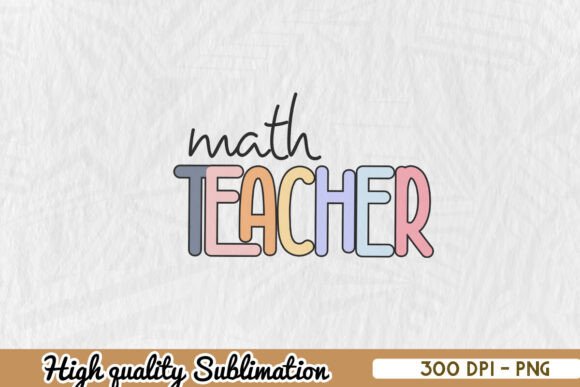
As a designer who spends more time behind an embroidery hoop than a computer screen, I approach every new graphic with a specific question: will this actually stitch out well? When evaluating the Math Teacher Math Lover PNG, my first impression was that it carries a distinct, playful academic charm. It strikes a balance between professional appreciation and geeky enthusiasm, which is exactly what the current market for educator merchandise demands. However, transitioning from a digital graphic to a tangible machine embroidery design requires careful consideration of line weight, negative space, and fabric interaction. This review breaks down how this asset performs when moved from screen to needle, specifically for makers and shop owners looking to create quality goods.
Translating Digital Lines to Stitched Reality
The visual personality of the Math Teacher Math Lover PNG suggests a bold, graphic aesthetic. For Etsy sellers and apparel decorators, this style is highly desirable because it reads well in thumbnail photos. However, in the digitizing or tracing phase, we must be realistic about detail. Mathematical symbols often feature thin lines and sharp angles. If you are converting this PNG into an embroidery file, pay close attention to the satin stitch width. Symbols like square roots or division signs can easily become lost if the column width is too narrow for the thread tension.
I recently tested a similar concept for a custom teacher appreciation tote bag. The goal was a crisp, modern look on natural canvas. While the PNG provided excellent high-resolution reference points, I had to adjust the stitch density significantly. Canvas has a coarse fabric texture that can swallow fine details. If you plan to use this design for tote bag design or heavy-duty aprons, consider using a slightly heavier thread weight or increasing the underlay to prevent the math symbols from sinking into the weave. Conversely, if you are planning baby embroidery on soft cotton jersey, the design needs to be lighter to avoid creating a stiff, bulletproof patch of stitching that irritates sensitive skin.
Real-World Application: The Educator Sweatshirt Test
To truly evaluate the commercial viability of this graphic, I applied it to a mid-weight fleece sweatshirt, a staple for small shop products targeting school staff. The mood of the Math Teacher Math Lover PNG is inherently cozy yet intellectual, making it perfect for fall and winter custom apparel. In this real-life scenario, the challenge wasn't the design itself, but the placement and stabilization.
Fleece is stretchy and prone to shifting. When hooping for sweatshirt embroidery, I used a cut-away stabilizer rather than tear-away to maintain the integrity of the design over time. The graphic’s layout allowed for centered chest placement without feeling overwhelming. Because the design features text elements alongside graphical math icons, legibility was paramount. I found that maintaining adequate spacing between the letters and the symbols was crucial. Crowded elements can turn into a muddy mess of thread after washing. For any handmade product intended as a personalized gift for a teacher, clarity equals perceived value. A customer trusts a maker whose stitching looks intentional, not accidental.
Navigating Fabric Limitations and Hoop Constraints
Not every project is a candidate for this specific artwork. As experienced crafters know, context is everything. Here is where you should exercise caution when using the Math Teacher Math Lover PNG as a base for your projects:
- Small Hoop Sizes: If you are working with a 4x4 hoop, resist the urge to shrink this design too much. Mathematical notation relies on precision. Reducing the design below 3 inches may cause jump stitches to clutter the center of symbols or make text unreadable. Always verify the minimum safe size before committing to a digital embroidery file conversion.
- Textured and Dark Fabrics: On terry cloth towels or dark navy cardigans, contrast is king. The intricate nature of math graphics means you cannot rely on subtle shading. You need solid blocks of color. If the original PNG uses gradients or watercolor effects, simplify them into flat fill stitch areas for embroidery. Dark fabrics require a white underlay base to make the top colors pop; skipping this step will result in a dull finished product.
- Curved Surfaces: Caps and curved sleeves are tricky for geometric designs. Straight lines in math symbols can appear bowed when stitched on a curve. If you intend to make an embroidered patch or cap logo, you may need to warp the digital source slightly to compensate for the cylindrical distortion during stitching.
- Stretchy Performance Wear: High-stretch athletic fabrics are generally poor hosts for dense, detailed graphics. The tension required to hold the shape of the math symbols can pucker the fabric permanently. Stick to stable knits or wovens for this particular aesthetic.
Commercial Viability and Brand Consistency
For creative entrepreneurs and craft business owners, consistency builds brand recognition. The Math Teacher Math Lover PNG offers a versatile theme that can span multiple product categories, from holiday embroidery ornaments to end-of-year gifts. However, visual appeal directly impacts buyer engagement. When listing items online, your printable mockup should accurately reflect the stitched reality. Do not simply paste the PNG onto a shirt image; show the texture of the thread. Customers appreciate seeing the actual stitch density and sheen.
Furthermore, consider the licensing and usage rights. Before selling finished items or offering the digitized version as a standalone design asset, confirm the terms associated with the file. Ethical business practices protect your shop's reputation. If you are modifying the design significantly—perhaps adding a school name or changing the font to match your boutique branding—document these changes. This ensures that your commercial embroidery offerings remain unique and legally compliant.
Essential Designer Notes for Success
Before you thread your needle or finalize your listing, run through this practical checklist to ensure the Math Teacher Math Lover PNG translates successfully to your medium:
- Test on Scrap Fabric First: Never stitch a final product without a test run. Use a scrap piece of the exact material you intend to sell. Check for puckering, registration errors, and thread breaks.
- Verify Thread Color Contrast: View your thread selection in natural light. What looks distinct on a monitor might blend together in polyester thread. Ensure the math symbols stand out clearly against the background fabric.
- Inspect Small Details: Zoom in on your digitized file. Are there tiny gaps between satin columns? Is the text large enough to be readable at the intended print size? Fix these issues digitally before stitching.
- Check Stabilizer Pairing: Match your backing to the fabric weight. Lightweight cotton needs tear-away; stretchy knits need cut-away; sheer fabrics might need water-soluble topping. The wrong stabilizer ruins even the best embroidery project.
- Evaluate Washability: Teachers wash their clothes frequently. Ensure your stitch type can withstand industrial laundering. Avoid long running stitches that might snag, and secure all trims properly.
- Mockup Accuracy: Create black and white mockups to test value contrast. If the design fails in grayscale, it lacks sufficient definition for embroidery.
Ultimately, the Math Teacher Math Lover PNG is a strong contender for the education niche, provided it is treated with technical respect. Whether you are creating a personalized gift for a favorite algebra teacher or stocking your Etsy shop with seasonal apparel, success lies in the details. By understanding how this graphic interacts with different textiles and adjusting your technique accordingly, you transform a simple digital file into a professional-grade embroidered product that customers will cherish and wear with pride.