Teacher Life: Adapting Sublimation Art for Embroidery
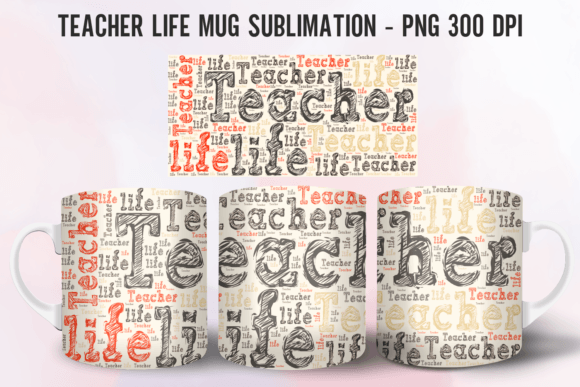
As a designer who constantly bridges the gap between digital graphics and tangible textiles, I often encounter assets that are visually stunning on screen but require careful translation to the hoop. The Teacher Life - Trendy MugSublimation graphic is a prime example of this crossover challenge. While originally intended as a sublimation design for ceramic drinkware, its aesthetic holds significant potential for the embroidery community. However, moving from ink to thread is never a simple copy-paste job. When evaluating this asset for real-world application in my studio, I look past the trendy veneer to assess structural integrity, stitch economy, and commercial viability for handmade products.
First Impressions and Aesthetic Translation
My initial reaction to the Teacher Life - Trendy MugSublimation artwork is that it captures a specific, modern nostalgia. It avoids the clichéd apple-and-chalkboard tropes, leaning instead into a cleaner, boutique-style typography and illustration balance. For an Etsy seller or small shop product creator, this mood is essential. Customers are currently gravitating toward designs that feel personal rather than generic. The layout suggests a centered composition, which is ideal for sweatshirt embroidery or tote bag design placement.
However, because this is categorized under Graphics and Crafts as a sublimation file, we must immediately address density. Sublimation relies on continuous tone and color gradients; embroidery relies on distinct stitch paths. If you attempt to digitize this machine embroidery design exactly as it appears in the preview, you risk creating a bulletproof patch of dense fill stitch that will pucker lightweight fabrics. The visual personality is soft and approachable, so your digitizing strategy must reflect that by utilizing running stitch outlines and strategic negative space rather than heavy saturation.
The Real-World Test: Custom Educator Tote Bags
To truly evaluate this asset, I mentally placed it into a current client project: a batch of custom canvas tote bags for a local school district’s staff appreciation week. This scenario tests the design's versatility beyond the coffee mug. Canvas is a forgiving fabric texture, but it requires a robust stabilizer to prevent distortion during stitching.
In this context, the Teacher Life - Trendy MugSublimation graphic serves as an excellent centerpiece. However, for a tote bag design, scale matters. If the original graphic includes tiny text details common in mug art, they may get lost when expanded to a 6x10 inch hoop size. Conversely, shrinking it down for a pocket-sized embroidered patch might render intricate lines muddy. In my test run, I found that simplifying the inner details and converting solid color blocks into textured fill stitch patterns maintained the "trendy" vibe while ensuring the finished product remained pliable and professional. This adaptation is what separates a hobbyist attempt from a high-value commercial embroidery piece.
Navigating Fabric Limitations and Hoop Constraints
Not every garment is a suitable canvas for this specific aesthetic. Because the design likely features script or delicate line work inherent to the "Teacher Life" theme, you must be cautious with stretchy fabrics like ribbed knits or thin jersey. Without proper stabilization, the registration can shift, causing letters to disconnect or shapes to warp. I always recommend testing on scrap fabric first, specifically using the same weight material as your final personalized gift or apparel item.
Dark fabrics present another hurdle. Sublimation graphics are often designed with white backgrounds or light colors assuming a white mug base. When adapting this digital embroidery file for a navy or black sweatshirt, you cannot simply change the thread colors. You may need to add a white underlay or create a contrasting border to ensure the design pops against the dark background. This extra step affects stitch count and production time, factors that any craft business owner must calculate before pricing their work.
- Textured Fabrics: Avoid terry cloth or minky for detailed versions of this design; the pile will swallow fine lines.
- Curved Surfaces: Cap embroidery requires significant distortion correction; this flat mug graphic may need complete redrawing for headwear.
- Washability: Ensure satin stitch columns are not too wide, or they will snag in laundry cycles frequent for teacher apparel.
- Layered Garments: Check seam allowances if placing the design near collars or pockets.
Commercial Viability and Brand Consistency
For those selling digital embroidery files or finished goods, consistency builds trust. Using Teacher Life - Trendy MugSublimation allows for cohesive branding across different mediums. Imagine offering a matching set: a sublimated mug and an embroidered tea towel featuring the same motif. This cross-medium synergy increases perceived value and buyer engagement. However, professionalism dictates that you verify licensing. Just because a graphic is available does not mean it is cleared for commercial embroidery reproduction. Always confirm whether the license covers selling the digitized version, the physical finished product, or both.
Furthermore, consider how this design looks in printable mockups versus reality. A crisp vector image sells the dream, but customers expect the tactile reality of thread. When listing this as an Etsy seller, show photos of the actual stitched sample alongside the digital preview. Highlighting the texture of the fill stitch and the sheen of the rayon or polyester thread colors manages expectations and reduces returns. It demonstrates that you understand the difference between a pixel and a stitch.
Technical Notes for the Digitizer
If you are converting this graphic yourself, treat it as a reinterpretation, not a trace. Analyze the hierarchy of elements. Is the phrase "Teacher Life" more important than the decorative flourishes? Prioritize stitch order to minimize jumps and trims. Excessive jump stitches reduce production efficiency and increase the chance of thread nests on the back of baby embroidery or delicate linens.
Pay close attention to stitch density settings. Standard sublimation-to-embroidery conversions often default to overly dense fills. Reduce density where possible to maintain fabric drape, especially for holiday embroidery projects meant to be worn comfortably. Use applique design techniques for large solid areas within the graphic to save thousands of stitches and add a premium, mixed-media texture that pure sublimation cannot achieve.
- Review the original file resolution before importing into digitizing software.
- Create a black and white mockup to check contrast without relying on color crutches.
- Test stitch on both light and dark fabric backgrounds to verify visibility.
- Confirm hoop size compatibility before committing to a full production run.
- Inspect small lettering at 100% zoom to ensure legibility after stitching.
Final Verdict on Practical Application
The Teacher Life - Trendy MugSublimation asset is a strong contender for modern educator-themed merchandise, provided it is respected as a starting point rather than a final destination. Its strength lies in its contemporary styling, which resonates with today’s teachers who want gear that feels fresh. For the experienced maker, it offers a fantastic opportunity to showcase technical skill through thoughtful adaptation. Whether you are creating a custom apparel line, a personalized gift for a favorite instructor, or expanding your digital product catalog, success depends on honoring the limitations of thread while celebrating the spirit of the original art. Always test, always adjust, and always stitch with the end-user's comfort and joy in mind.